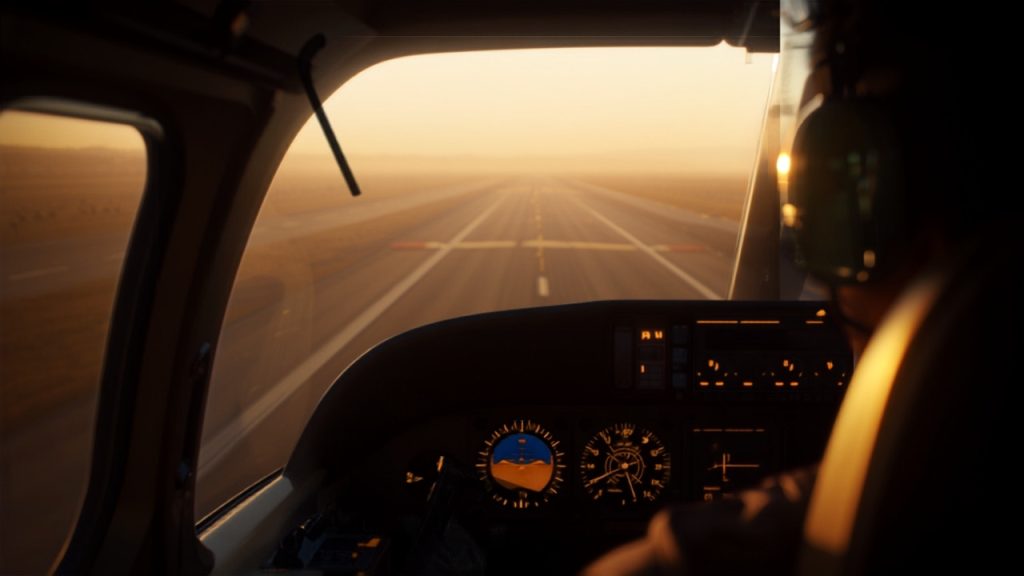
Nobody really prepares you for the stretch of time right after you finish your CPL. All through training, there’s a clear structure — modules, hour targets, exams, checkrides — and then suddenly there isn’t. You’re a licensed commercial pilot, logbook signed, and the next milestone, an airline interview call, doesn’t arrive on any predictable schedule. This gap is one of the least talked-about parts of becoming a pilot in India, and it deserves an honest conversation rather than the vague optimism it usually gets.
The Hour-Building Reality
Airlines in India generally look for a minimum threshold of total flying experience before they’ll seriously consider a fresh CPL holder, and depending on the carrier and the hiring cycle, that threshold shifts. Fresh graduates with exactly the minimum DGCA hours often aren’t first in line, which means the months after CPL frequently become a hour-building phase rather than a job-hunting one. There are a few common routes pilots take here. Some go the flight instructor path — earning a Flight Instructor Rating and taking on students at their training academy, which has the dual benefit of building PIC hours steadily while staying sharp on the fundamentals you’ll eventually need to demonstrate to an airline anyway. Teaching also happens to be one of the better ways to genuinely master procedures, since explaining something to a nervous first-solo student forces a level of precision you don’t always reach just flying for yourself.
Others look toward aerial work — survey flying, photography sorties, ferry flights, or roles with smaller charter and cargo operators that fly older or less glamorous aircraft but offer real stick time. These jobs rarely look impressive on paper next to a major airline logo, but the hours count the same in a logbook, and the varied flying conditions — different airfields, less predictable weather windows, older equipment — often make pilots noticeably more capable by the time an airline interview does come around.
Thinking Through Type Rating Decisions
At some point in this window, most pilots start weighing which aircraft type to train on next, since most airline first officer roles require type-specific qualification before you can fly the line. This decision tends to hinge less on personal preference and more on which fleets are actively hiring. India’s major carriers operate largely around the Airbus A320 family and Boeing 737, with regional and cargo operators flying ATR turboprops and a mix of other types. Watching hiring trends, rather than picking a type in isolation, is usually the smarter approach — a rating on an aircraft nobody’s currently recruiting for doesn’t do much good, however well you fly it.
It’s also worth understanding, before committing to any type rating pathway, how bond structures and sponsorship arrangements typically work with different airlines, since these vary considerably and affect your flexibility for the first several years of your career. This is exactly the kind of decision where talking to instructors, recently placed seniors, and your training academy’s placement contacts is far more useful than guessing from forum posts. A good student support and guidance team tends to have current, first-hand visibility into which airlines are actively recruiting and what they’re looking for in a candidate at any given moment — information that changes often enough that year-old advice can already be stale.
Staying Current When You’re Not Flying Every Day
One of the quieter risks of the post-CPL waiting period is currency — both regulatory and personal. Your Class 1 medical needs to stay valid and renewed on schedule, and if you go long enough without flying, certain recency requirements around landings and instrument work can lapse, meaning you’d need to requalify before you’re considered current again. Beyond the regulatory side, there’s a skill-currency dimension too: radio phraseology, checklist flow, and the general rhythm of flying all get rusty faster than people expect. Pilots who stay sharp during this period tend to do so deliberately — picking up whatever flying they can, whether instructing, renting time on a training aircraft, or flying with a local flying club, rather than letting weeks stretch into months between flights.
Some also use this window to work through additional theory qualifications or begin chipping away at ATPL ground exams, so that when an interview call does come, they’re not starting that process from zero. It’s a productive way to convert waiting time into forward progress rather than idle anxiety.
Networking Actually Matters Here
Aviation in India, despite the number of pilots being trained every year, is a surprisingly small and interconnected community once you’re actually in it. Seniors from your batch, instructors you trained under, and connections made during hour-building jobs all tend to become the informal network through which job leads, walk-in interview announcements, and honest advice about specific airlines actually circulate. Pilots who stay visible and in touch — attending aviation meetups where they exist, keeping an updated presence on professional platforms, maintaining relationships with instructors rather than disappearing after graduation — generally hear about opportunities earlier than those who wait passively for job portals to surface something.
This is also where the relationships built during training pay off in ways that aren’t obvious at the time. Staying in touch with the instructors and staff at the academy you trained with isn’t just sentimental — it’s practical. Training academies often hear about airline recruitment drives, cadet program openings, and instructor vacancies before they’re widely advertised, and a school that knows you and your flying is far more likely to pass that information along directly.
Managing the Uncertainty Itself
Perhaps the hardest part of this period isn’t logistical at all — it’s psychological. Airline hiring in India moves in cycles tied to fleet expansion, route growth, and broader economic conditions, none of which an individual pilot has any control over. There will be stretches where recruitment drives seem to be everywhere, and stretches where months pass with almost no movement. Comparing your own timeline to a batchmate’s who happened to get called during a hiring surge is a natural instinct, and also a fairly unproductive one, since so much of the timing comes down to circumstance rather than anything either of you did differently.
The pilots who seem to handle this stretch best are usually the ones who treat it as an active phase of their career rather than a holding pattern — building hours deliberately, staying current, keeping their network alive, and using the theory-heavy stretches productively. It’s not a comfortable period, and pretending otherwise wouldn’t be honest. But it is a normal, expected part of the path from CPL to airline cockpit in India, and going in with realistic expectations tends to make it far easier to get through than treating every quiet month as a crisis.