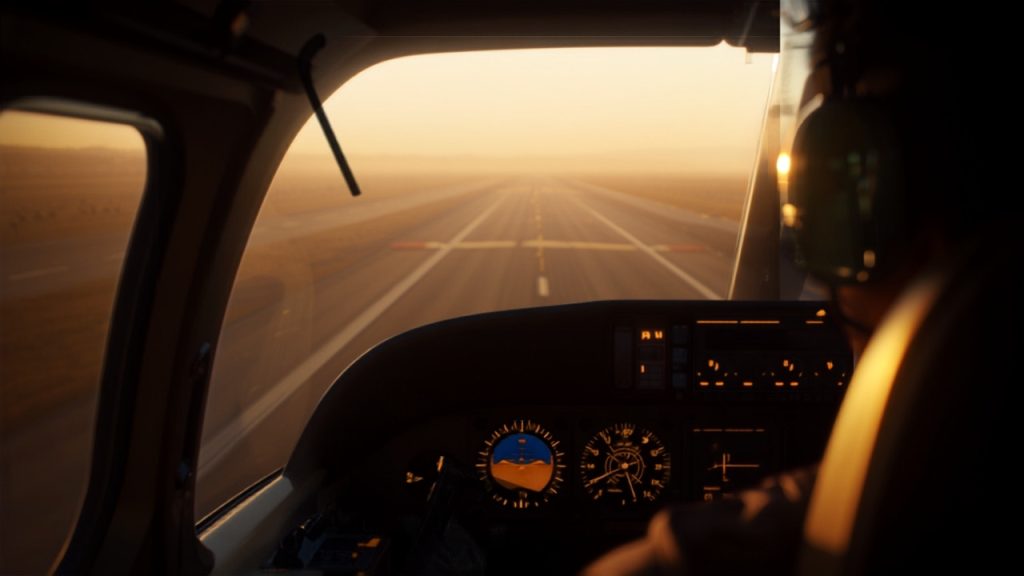
Somewhere in the middle of CPL training, most student pilots start hearing about a requirement that doesn’t get nearly as much attention as the licence itself: the multi-engine rating. It’s easy to treat it as just another box to tick before graduation, but understanding what a multi-engine rating for commercial pilots in India actually certifies, and why airlines care about it as much as they do, makes the training that leads up to it far more meaningful.
What a Multi-Engine Rating Actually Certifies
A multi-engine rating confirms that a pilot can safely operate an aircraft with more than one engine, including managing the very specific handling challenges that come with an engine failure in that configuration. It’s a separate endorsement from the core commercial pilot licence, added once a candidate has completed the required multi-engine training hours and passed both the flight test and the associated ground instruction.
The distinction matters because single-engine and multi-engine aircraft behave very differently when something goes wrong. A single-engine failure simply means a forced landing procedure. A multi-engine failure, particularly during takeoff or climb, introduces asymmetric thrust, yaw, and control challenges that require a completely different set of trained responses.
Why Airlines Expect It Before They Even Look at a Resume
Nearly every commercial airliner in scheduled service is multi-engine, so airlines treat the rating as a baseline qualification rather than a differentiator. A CPL without a multi-engine endorsement simply isn’t eligible for most airline first-officer positions, which is why training programs build it into the core syllabus rather than leaving it as an optional add-on.
Recruiters also look at how a candidate performed during multi-engine training itself, since the coordination, checklist discipline, and decision-making it demands are a reasonably good preview of how someone will handle line training later on.
What Changes When You Move From Single-Engine to Multi-Engine
The jump from single-engine to multi-engine flying involves more than just a second engine to monitor. Systems management becomes noticeably more complex: fuel management across multiple tanks and engines, more sophisticated electrical and hydraulic systems, and generally higher approach and landing speeds all demand a sharper level of situational awareness.
Students often describe the first few multi-engine sessions as a genuine step up in workload compared to everything that came before. That’s intentional. The rating exists precisely because this transition needs dedicated, supervised practice rather than being something a pilot figures out on the job.
Asymmetric Thrust and Why It’s the Core of the Training
The centerpiece of multi-engine training is learning to manage asymmetric thrust safely, particularly the scenario where one engine fails while the other continues producing full power. Identifying the failed engine correctly, securing it, and maintaining controlled flight on the remaining engine is a skill built through repetition, usually starting at altitude before progressing to the more demanding takeoff and approach scenarios.
Handling an Engine Failure: The Skill the Rating Is Built Around
Instructors consistently point to engine-failure management as the single most important competency the multi-engine rating develops. The instinctive reactions that work fine in a single-engine aircraft, like reducing power or trimming for glide, can actually make things worse in a multi-engine emergency if applied without first correctly identifying which engine has failed.
This is why multi-engine training leans so heavily on memory items and immediate-action checklists. Under real pressure, there isn’t time to reason through the physics of asymmetric thrust from first principles, so the correct sequence of actions needs to already be automatic.
When to Add the Multi-Engine Rating to Your Training Timeline
Most students add the multi-engine rating after building a solid foundation of single-engine hours, since the systems management and handling skills it requires build naturally on habits already established earlier in training. Trying to rush into multi-engine work too early, before checklist discipline and basic airmanship are second nature, tends to make the transition harder rather than easier.
A well-sequenced training plan places the multi-engine phase at a point where a student has enough flying experience to absorb the added complexity without becoming overwhelmed by it.
How a Structured Program Builds This Into the Syllabus
A commercial pilot training program sequences the multi-engine rating deliberately, rather than treating it as a late addition squeezed in before graduation, so that students arrive at this stage of training already comfortable with the systems knowledge and checklist habits the rating depends on. Students who want a clearer picture of exactly where multi-engine training sits in a full CPL timeline are encouraged to speak directly with the flight training academy, since instructors who’ve guided many students through this specific transition have a realistic sense of what to expect at each stage. For anyone still mapping out their overall training sequence, the student support services team can walk through how the multi-engine phase fits alongside everything else on the path to a commercial licence.