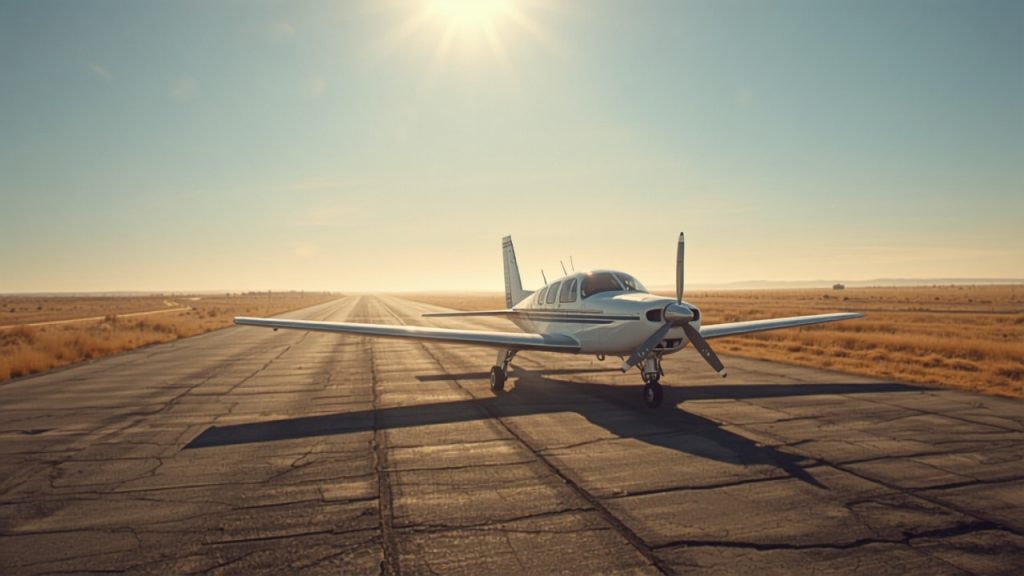
Technical General is the paper where aircraft stop being a picture in the sky and become a machine you have to understand. Structure, engines, fuel, hydraulics, electrics and instruments all appear, and the questions tend to ask why a system works the way it does. Students who tackle it by memorising lists struggle. Students who follow the flow of fuel, power and pressure through an aircraft usually find it far more logical than they expected.
Quick answer
To prepare for the DGCA Technical General exam, study one system at a time, starting with airframe and engines, then fuel, hydraulics, electrics, pneumatics and instruments. Draw each system from memory, link it to a real aircraft you know, and finish with timed question practice. DGCA’s CPL theory pass mark is 70 per cent.
What does the DGCA Technical General paper cover?
Training schools describe the paper as covering aircraft structure, engines and systems. Typical areas include airframe and flight controls, piston and turbine engines, propellers, fuel and hydraulic systems, electrical systems, landing gear, pressurisation and instruments. Check the current syllabus and format on DGCA’s official pages before you plan your study.
It sits inside the wider set of ground subjects, which we map out in our guide to the DGCA CPL ground subjects syllabus. Read that once so you know how this paper fits with the others.
How should you organise the topics for study?
Group the content by system and study each system as a complete story: what it does, its main parts, how it works, and what can go wrong. This keeps related facts together, so one clear picture in your head can answer several different questions.
| System | Ask yourself |
|---|---|
| Airframe and controls | What loads does the structure carry, and how do control surfaces move? |
| Piston engines | What happens in each stroke, and what do ignition and mixture do? |
| Turbine engines | How does air flow through compressor, combustion and turbine sections? |
| Fuel system | Where does fuel go from tank to engine, and what protects it? |
| Hydraulics | How is pressure created, stored and delivered to actuators? |
| Electrical system | What produces power, how is it distributed, and what protects circuits? |
| Instruments | Which instruments use pressure, which use gyroscopes, and what can they get wrong? |
How do you learn engines without just memorising them?
Learn the sequence first, then the parts. For a piston engine, understand the four strokes as a cycle and see what each component does within it. For a turbine, follow the air from intake to exhaust. Once the sequence is clear, component names attach to it naturally and are far easier to recall.
Sketch each engine type on a single page without looking at your notes. Whatever you cannot draw is what you have not yet understood, so that is where your next hour of study should go.
How do you make sense of fuel, hydraulic and electrical systems?
Trace each system like a route map. Start at the source, follow it through every valve, pump or switch, and end at what it powers. Add the safety devices along the route, such as filters, relief valves and circuit protection. Questions often ask about exactly those devices.
Our overview of aircraft systems taught in ground school gives a plain-language picture of how these systems fit together on a training aircraft, which makes the exam detail easier to hold on to.
What study plan works for Technical General?
A steady plan of about six weeks suits many students, with one or two systems per week and the last week reserved for revision. Adjust it to your daily hours and exam date. The key habit is redrawing each system from memory a few days after you first study it.
- Week 1: airframe, flight controls and landing gear. Label each part on a sketch.
- Week 2: piston engines and propellers. Draw the four-stroke cycle and the ignition path.
- Week 3: turbine engines. Follow the airflow and note the role of each section.
- Week 4: fuel and hydraulic systems. Draw both as route maps with safety devices marked.
- Week 5: electrical, pneumatic and pressurisation systems, then instruments.
- Week 6: timed practice sets, review of every wrong answer, and a final pass over your diagrams.
Can simulators and real aircraft help your theory?
Yes. Seeing a system on a real aircraft or in a simulator turns a diagram into something physical. When you have watched a pre-flight check or a system failure drill, the textbook description makes more sense. Ask your instructors to show you where each system sits and what it does.
Our article on how simulator training complements real flight hours explains how hands-on exposure reinforces what you read in class.
How do you plan the exam itself?
Apply through the Pariksha portal once your computer number and eligibility are in place, and schedule this paper alongside your other subjects instead of leaving it for last. Our guides on applying on the Pariksha portal and on the pass mark and marking cover the practical steps.
If you are also working through Meteorology or Navigation, keep a combined weekly timetable so no paper gets squeezed into the last few days.
Frequently asked questions
Is Technical General hard for students without an engineering background?
It can seem unfamiliar at first, but the paper is built for pilots, not engineers. Studying one system at a time and redrawing diagrams from memory usually works well. Ask instructors to show real components so the theory has something physical to attach to.
How many weeks should I allow to prepare?
Many students plan around six weeks of steady study, depending on background and daily hours. Leave the final week for timed practice and reviewing wrong answers. Start earlier if you are balancing flying training or work alongside your preparation.
Should I memorise diagrams?
Aim to understand and redraw them, not memorise them as pictures. If you can explain how fuel, pressure or current moves through a system, you can usually answer related questions even when the wording changes.
What is the pass mark for DGCA CPL theory papers?
The pass mark for DGCA CPL theory papers is 70 per cent. Check DGCA examination notices for the latest rules on attempts and validity, because these can be updated.
Where do I register for the exam?
Registration for DGCA theory papers happens on the Pariksha portal. You need a valid computer number and must meet eligibility conditions. Rely on the portal for current session details rather than older timetables you may find online.
Where can you get structured help with ground subjects?
If you would like guided support with DGCA ground subjects, speak to the team at VeritasTech Pilot Academy, Ambattur, Chennai. See the academy page at https://veritastechpilotacademy.org/academy-in-vpa/ for how to get in touch and plan your next step.