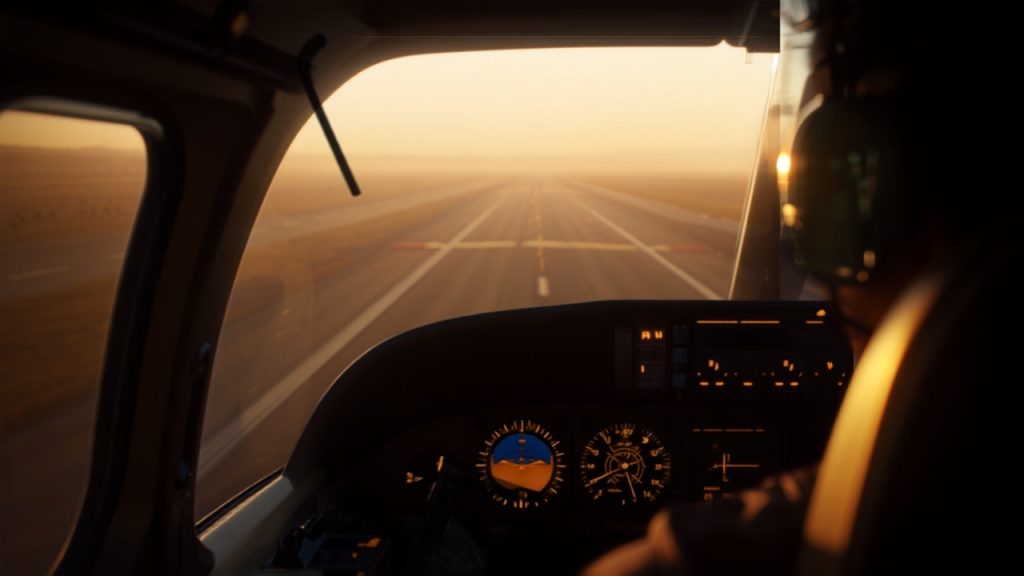
A degree in hand and a childhood dream still pulling at you: that is a very common place to start. Many graduates assume the cockpit door has closed because they did not join a flying school at eighteen. It has not. The route to a commercial pilot licence in India does not depend on how young you are when you begin, but it does depend on a few rules you should check before you book anything.
Quick answer
Yes, a graduate can become a commercial pilot in India. A degree is not what DGCA asks for; the licence rests on your Class 12 subjects, a Class 1 medical, passing the DGCA ground exams, and completing approved flight training. Check your Class 12 Physics and Maths position first, because that is where graduates most often get stuck.
Do you need a degree to become a commercial pilot in India?
No. DGCA does not require a graduation degree for a commercial pilot licence (CPL). What the licence rests on is your Class 12 background, a valid Class 1 medical certificate, the written ground exams, and the flying hours and skill test. A degree is useful as a fallback, but it is optional.
This surprises people who have finished a BCom, BA, BSc or engineering degree and wonder whether those years count for anything. They do count, in other ways: study habits, comfort with English, and the maturity to handle a demanding course. They simply do not replace the pilot-specific requirements. If you want the full list of what the licence asks for, read what is required for a commercial pilot licence in India.
Can an arts or commerce graduate become a pilot?
Possibly, but check the Class 12 rule first. The long-standing requirement has been Physics and Maths in Class 12. DGCA’s proposal to relax this for arts and commerce students was reported as not formally notified as of mid-2026, so confirm the current position on DGCA’s official website before you plan around it.
Training schools report that some students without Physics and Maths close the gap through an open-school route such as NIOS, but this is a school-level report and not something to assume. The safe habit is simple: read the latest notice on the DGCA site, then ask the flying school to show you in writing which rule applies to your certificate. Our guides on pilot training after 12th commerce or arts and the marks you need in 12th explain the background in more detail.
What are the steps to become a pilot after graduation?
Work through the stages in order: confirm your Class 12 subjects, clear a Class 1 medical, get your DGCA computer number, join a DGCA-approved flying school, pass the ground exams, complete the flying hours, and take the CPL skill test. Doing the medical early saves the most heartache.
- Confirm eligibility. Check your Class 12 subjects and your age against the current DGCA rules.
- Take the Class 1 medical. Do this before paying for any course, because a medical problem found late changes everything. See what the Class 1 medical involves.
- Get your computer number. It is your identity for every DGCA exam. Here is how to apply without rejection.
- Join an approved school. Verify the approval yourself using this guide on checking DGCA approval.
- Clear the ground exams. Start with applying on the Pariksha portal and read about how many attempts are allowed.
- Fly the required hours and take the skill test. See how the flying-hour requirements work.
What should you check first, based on your degree?
Your degree stream decides which question to ask first, not whether you can start. Science graduates usually need only confirm Class 12 Physics and Maths; arts and commerce graduates should settle that rule before anything else. The table sums up where each background should begin.
| Your background | Check this first | Then |
|---|---|---|
| Science graduate with Physics and Maths in Class 12 | Class 1 medical | Computer number, approved school |
| Science graduate without Physics or Maths in Class 12 | Current DGCA position on the subject rule | Ask the school about a bridging route in writing |
| Arts or commerce graduate | Current DGCA notice on Class 12 subjects | Do not pay anything until the rule is confirmed |
| Engineering graduate | Class 12 subjects on your certificate | Medical, then approved school |
How long does it take to become a pilot after graduation?
It depends less on your degree and more on how quickly you clear the medical, the ground exams and the flying hours. Weather, aircraft availability and exam attempts all shift the timeline, so be wary of any school that promises a fixed number of months.
Think of it in three blocks: preparation (medical and paperwork), ground subjects, and flying. Some students overlap the ground classes with early flying, while others finish theory first. The honest answer is that two students starting on the same day can finish months apart. For a realistic picture, see how many years it takes to become a pilot and what a CPL course in Chennai looks like from start to finish.
Is it better to do a degree first or go straight to CPL training?
Neither is right for everyone. A degree gives you a fallback and more time to grow up; direct CPL training starts your flying sooner. The better choice is the one you can finish without burning out or losing sight of the medical requirement.
Some students combine both through an aviation degree, and some keep a degree running while they prepare for ground exams. Each path has trade-offs in time and flexibility, which our comparison of BSc Aviation vs CPL walks through. If you already hold a degree, the main question is not whether to study more but whether your Class 12 record and medical let you begin.
What else do students ask about this?
Can I become a pilot after graduation at 25 or 30?
Yes, as long as you meet DGCA’s rules on eligibility, hold a valid Class 1 medical and complete the training. The licence does not stop you for being a graduate who started later. Age limits that matter for different roles are explained in our guide on the age limit for commercial pilots.
Which degree is best for becoming a pilot?
DGCA does not name a preferred degree for a CPL. Physics and Maths in Class 12 matter more than the degree stream. Choose the degree that suits your interests and keeps a fallback open, then focus on the medical and ground exams.
Do I need to take the Class 1 medical before joining a flying school?
It is wise to take it first. A medical problem discovered after you have joined a course can end the training plan. Always use a DGCA-approved medical examiner and keep your reports safe.
Can I work while preparing for the DGCA ground exams?
Many students study theory alongside other commitments, since the exams are written papers. Flying hours are harder to fit around a full-time job, so plan the flying block carefully with your school.
Is an arts or commerce degree a problem for airline selection?
Airlines look at your licence, medical and interview performance. Reports suggest the degree stream matters less than your Class 12 eligibility and flying record, but always confirm the latest position with the airline you are targeting.
Where can you see flight training up close?
If you want to see how a training day is organised before you decide anything, you can visit VeritasTech Pilot Academy, Ambattur, Chennai. Ask to see the training aircraft, the ground-class schedule and the written approval details, and compare them with what you have read here.