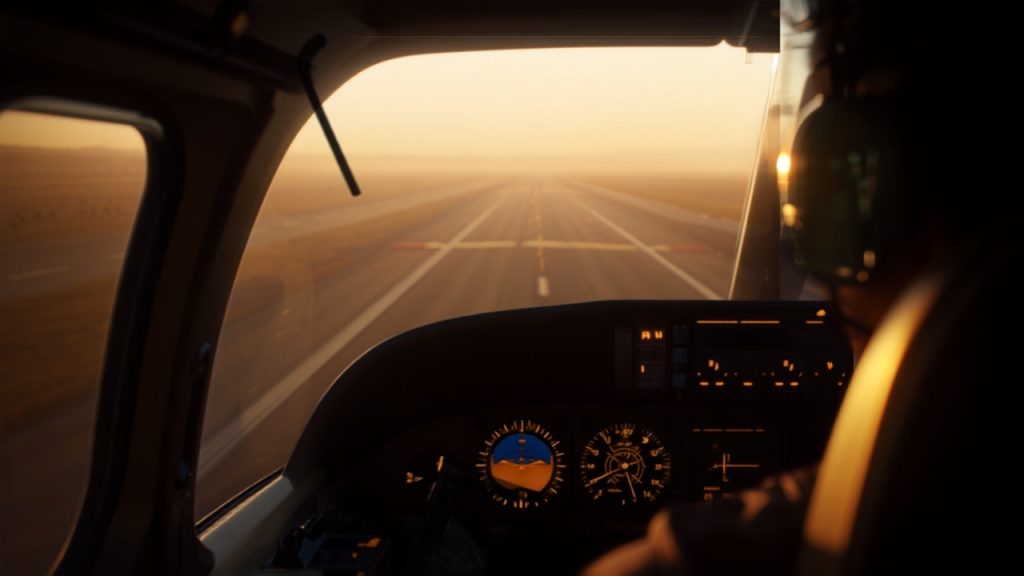
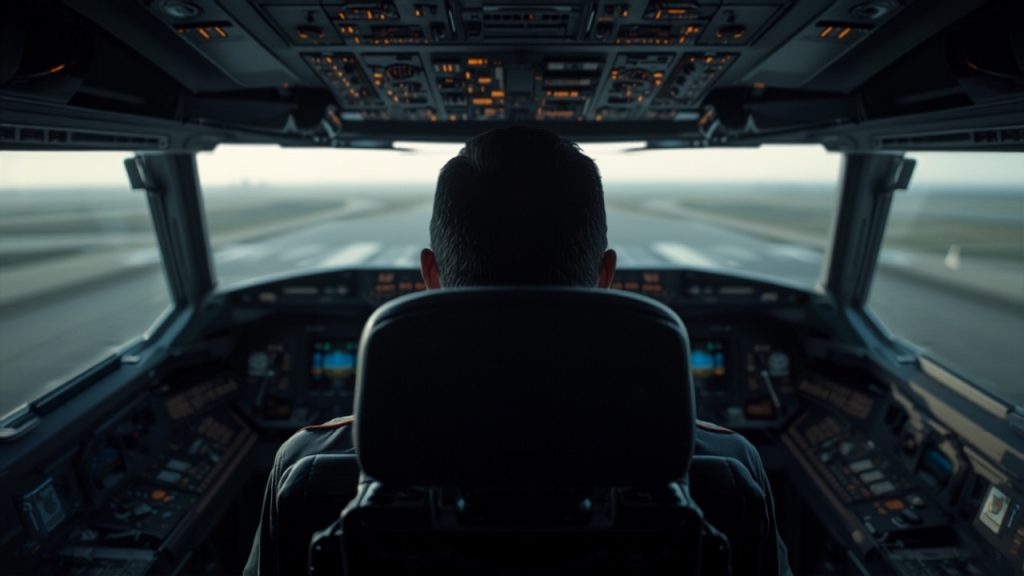
Not every pilot wants to chase the airline route straight away. Some find that teaching the next batch of students is where they are happiest in an aircraft. Becoming a flight instructor in India is a structured step that sits on top of your commercial licence, and understanding the sequence early helps you plan your first flying years more sensibly.
Quick answer
A flight instructor in India is normally a licensed pilot who has added an instructor rating to a commercial pilot licence. The usual path is a medical, a CPL, an instructor course covering how to teach both on the ground and in the air, and a skill test. Always confirm the exact current requirements with DGCA before enrolling.
What does a flight instructor actually do?
A flight instructor teaches student pilots in the classroom and the aircraft, briefs each lesson, demonstrates manoeuvres, corrects mistakes calmly, and decides when a student is ready for the next stage, including first solo. The job is as much about communication as it is about flying.
If you have read about a day in the life of a student pilot, you have seen the instructor from the other seat. Behind every smooth lesson is a briefing, a plan for what could go wrong, and patience with the same mistake made three times. Good instructors do not simply fly well; they notice why a student is struggling and change the way they explain it.
What do you need before you can train as an instructor?
Training schools report that you need a valid commercial pilot licence, a current Class 1 medical and enough flying experience to be accepted onto an instructor course. The exact eligibility and hours are set by DGCA, so check the current rule before you apply to any school.
Because the instructor rating is added to an existing licence, the groundwork is the same as for any commercial pilot: medical, ground exams and flying hours. If you are still on that first stage, start with what is required for a commercial pilot licence in India and the guide to how a PPL differs from a CPL. Do not rely on a figure for hours from a blog, including this one; ask the school to show you the DGCA document it follows.
What are the steps to become a flight instructor in India?
The sequence is: earn your CPL, keep your Class 1 medical current, join a DGCA-approved school that offers instructor training, complete the instructor course, pass the instructor skill test, and have the rating added to your licence. Each school runs the course slightly differently.
- Finish your CPL. This includes the ground exams and the flying hours. Revisit how DGCA flying hour requirements work if you are unsure where you stand.
- Keep your medical valid. An expired medical stops you from instructing, however good your flying is.
- Choose an approved school. Confirm its approval using this guide to checking DGCA approval.
- Complete the instructor course. Expect ground sessions on teaching methods, then flying sessions where you practise teaching from the seat.
- Pass the instructor test. It usually combines an oral part and a flight.
- Get the rating endorsed. The school or examiner will explain the paperwork DGCA needs.
How does the path from student to instructor compare at each stage?
Each stage builds on the one before it. You cannot skip ahead: the medical comes first, the CPL second, instructor training third. The table below shows what usually happens at each stage and what it adds to your career options.
| Stage | What happens | What it unlocks |
|---|---|---|
| Medical and paperwork | Class 1 medical, computer number | Permission to train seriously |
| Ground subjects | DGCA written exams | Eligibility for the skill test |
| CPL flying | Required hours and skill test | Commercial pilot licence |
| Instructor course | Teaching methods and instructor flights | Instructor rating test |
| Instructor rating | Rating added to your licence | Teaching at approved schools |
Is instructing a good way to build experience after your CPL?
For many new commercial pilots, yes. Instructing keeps you flying regularly, sharpens your fundamentals and keeps you close to a flight school while you plan your next step. It is not the only route, and it is not right for everyone, so weigh it against your goals.
New licence holders often face a waiting period before airline selection. Our article on what pilots do while waiting after the CPL looks at the options. Instructing is one of them because it combines flying with the chance to learn how to explain things clearly, a skill that also helps in airline interviews. Be honest with yourself about whether you enjoy teaching, though, because students notice quickly when an instructor does not.
What makes a good flight instructor?
Calm under pressure, clear in explanation, and genuinely patient. A good instructor flies accurately but spends most of the lesson watching the student, not showing off. The best ones help a nervous beginner stay calm enough to learn from mistakes.
Think of the instructors who shaped your own training. Chances are they were not the flashiest pilots; they were the ones who asked good questions, gave the right amount of help and stayed steady when something went wrong. If those qualities describe you, instructing may suit you well. If you prefer to fly with minimal conversation, you may be happier on another path.
What else do students ask about this?
Can I become a flight instructor without a CPL?
Training schools commonly describe the instructor rating as an addition to a commercial licence, so a CPL is the usual starting point. Confirm the exact eligibility with DGCA or an approved school before planning.
How long does the instructor course take?
It varies by school, the weather and how quickly you progress. Ask the school for its written course outline rather than relying on a generic timeline from a website.
Do instructors need to renew their medical?
Yes. A valid medical is required to exercise the privileges of your licence, and that includes instructing. Keep track of your renewal date and book it early.
Can I instruct part-time?
Some schools use instructors on flexible schedules, but availability depends on the school and its student numbers. Ask directly during your enquiry.
Where do flight instructors usually work?
Mostly at DGCA-approved flying schools and training organisations, teaching ground subjects, flying lessons or both. Check that any school you approach is approved before accepting a role.
Where can you see flight training up close?
To see how instructors and students work together on the ground and in the aircraft, you can visit VeritasTech Pilot Academy, Ambattur, Chennai. Ask about the training aircraft, the instructor team and the written approval details, and compare them with what this guide describes.