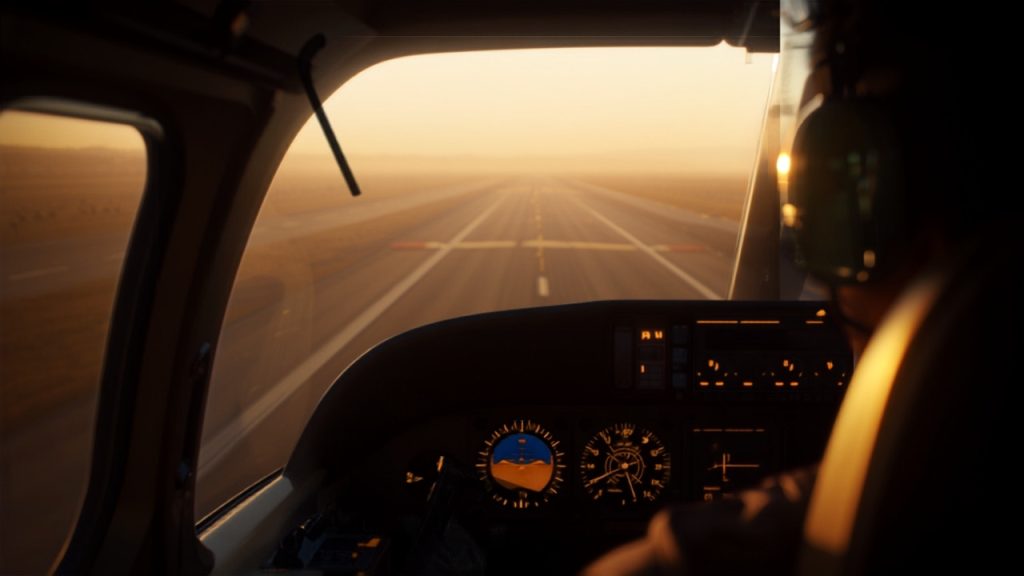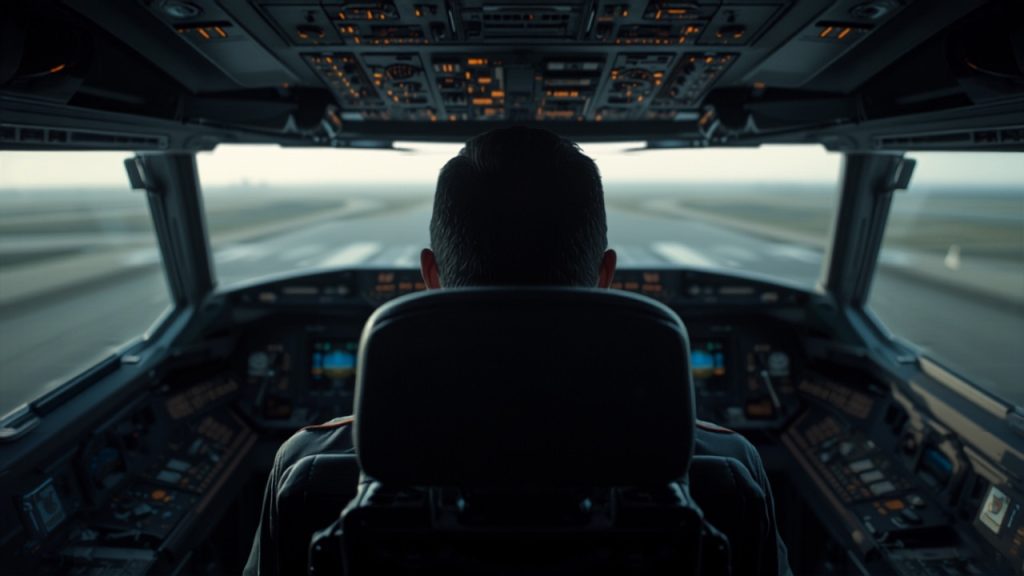
Most student pilots in India start their journey with a Private Pilot Licence, and most eventually set their sights on a Commercial Pilot Licence. What surprises a lot of them is how different the two actually are — not just in the number of flying hours logged, but in the depth of the exams, the precision expected in the air, and what the licence legally allows you to do once you’re holding it. If you’re mapping out your own path from PPL to CPL in India, it helps to understand exactly what changes at each stage, rather than treating it as one long continuous course.
What a PPL Actually Gives You
A Private Pilot Licence is, by design, a foundation rather than a career credential. It certifies that you can safely operate an aircraft, navigate visually and by basic instruments, communicate correctly with air traffic control, and handle routine emergencies — but it does not authorize you to fly for compensation. Most PPL holders in India log somewhere in the range of 40 to 60 hours before they’re ready for their skill test, covering dual instruction, solo circuits, and a handful of solo cross-country flights.
The PPL exam itself, both written and practical, focuses on fundamentals: aircraft handling, basic navigation, weather interpretation, and radio procedure. It’s rigorous, but it’s scoped narrowly around safe, competent private flying — not the operational precision that commercial flying demands.
Where the CPL Raises the Bar
The jump to Commercial Pilot Licence training is where most students realize just how much more is expected of them. DGCA’s CPL requirements call for a significantly higher minimum hour count, a broader written examination syllabus covering subjects like air navigation, aviation meteorology, air regulations, and technical general and specific knowledge, and a flight test that evaluates precision to a much tighter standard than the PPL skill test does.
It isn’t only about additional hours in the logbook. CPL training introduces cross-country flying over longer distances, night flying qualification, instrument procedures, and — depending on the specific pathway — a multi-engine rating. Each of these adds not just flight time but a new category of skill: night flying changes how you read the instrument panel and the horizon; longer cross-country legs test fuel planning and diversion decision-making in ways a short local flight never will; instrument work asks you to trust the panel over your senses in situations where visual references simply aren’t reliable enough.
The Exam Difference Nobody Warns You About
One of the more underestimated parts of the PPL-to-CPL jump is the written examination load. The CPL ground subjects go considerably deeper than PPL-level material — technical questions on aircraft systems, more demanding meteorology scenarios, and navigation problems that assume a level of comfort with calculation and chart work that PPL training only introduces at a basic level. Students who treat CPL ground school as “PPL again, but longer” tend to be caught off guard by how much more analytical the material actually is.
This is also where a lot of the DGCA-specific paperwork becomes more serious — medical certificate renewals, security clearance processes, and, depending on your training pathway, radio telephony licensing all move from background administrative tasks to things that can genuinely hold up your timeline if they’re not handled early.
What Actually Changes Once You’re CPL-Rated
The practical difference a CPL makes is straightforward: it’s the licence that legally allows you to be paid to fly. A PPL holder can take friends flying and build hours; a CPL holder can be hired. But the CPL by itself doesn’t hand you an airline job — most commercial operators in India expect additional type-specific training, and increasingly a multi-engine and instrument rating are treated as close to standard rather than optional extras for anyone serious about a career flight deck.
What this means practically for someone planning their training is that PPL to CPL isn’t really “one course, then another.” It’s a shift in what’s being tested — from safe, competent private flying to the operational precision and broader knowledge base that commercial aviation demands — and treating it that way from the start tends to produce a smoother transition than assuming the two stages are simply more of the same.
Planning the Transition Well
The students who move through this transition most smoothly are usually the ones who start thinking about CPL-level ground subjects well before they’ve finished their PPL — not because they need to master the material early, but because knowing what’s coming shapes how seriously they take PPL fundamentals like navigation and weather reading in the first place. A strong commercial pilot training program will typically structure this transition deliberately, rather than treating PPL and CPL training as two disconnected blocks.
If you’re still deciding where to train, it’s worth asking a prospective flight training academy directly how they structure the PPL-to-CPL transition — how early CPL ground subjects are introduced, how night and instrument training are sequenced, and what support exists for the DGCA paperwork side of things. That planning matters more than most applicants expect going in.
The Bottom Line
A PPL proves you can fly safely. A CPL proves you can fly to a professional standard, under a broader range of conditions, with the knowledge base to back it up. Understanding that distinction early — rather than discovering it partway through CPL ground school — makes for a far less stressful transition. Good student support services can help you map out exactly what that transition looks like before you commit to a training timeline.