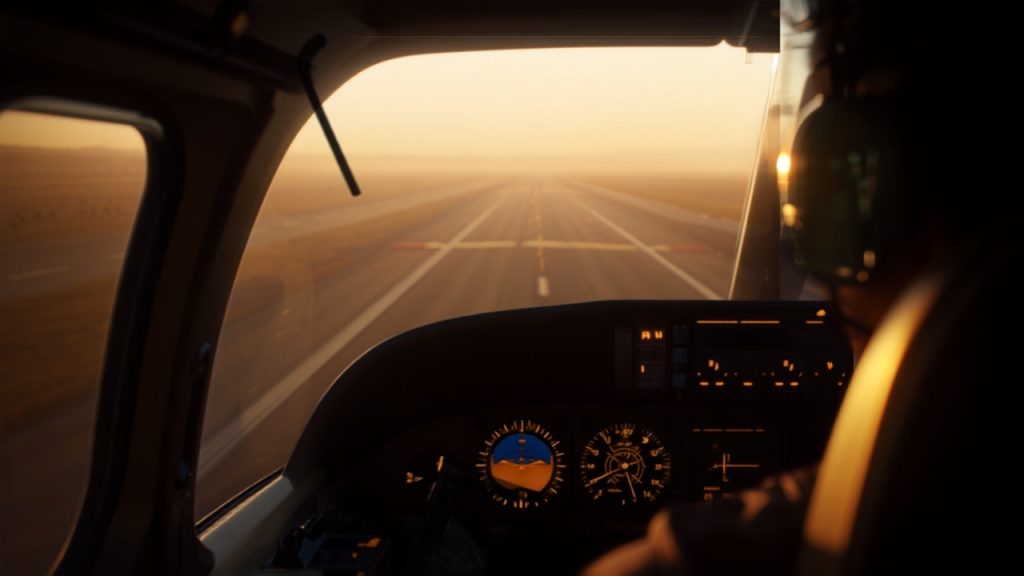
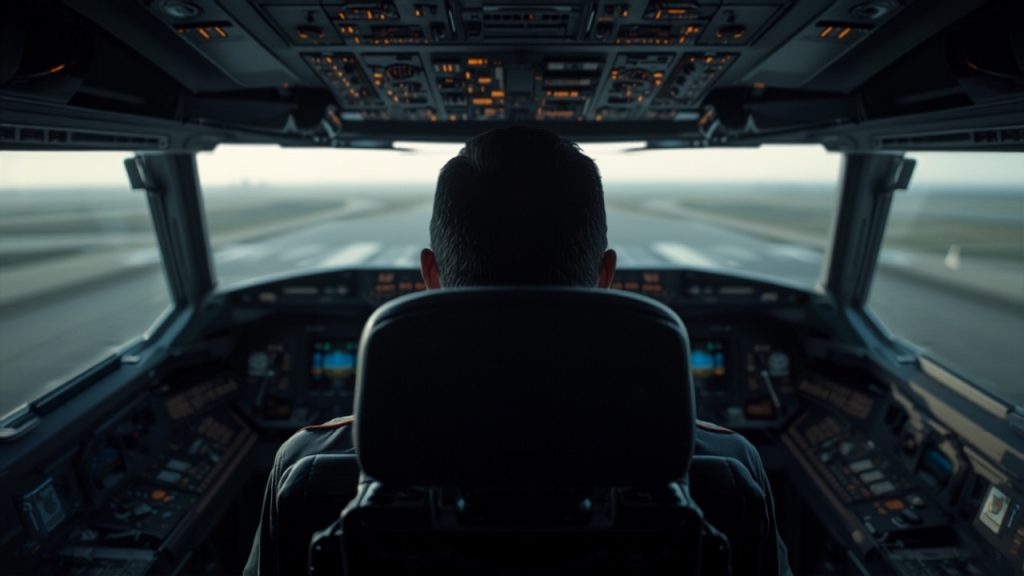
Plenty of students ask the same thing: should I train to fly a helicopter or an aeroplane? Both lead to a DGCA commercial licence, and both begin with the same discipline of ground school, medicals and logged flying. They differ in how the machine behaves, where the work usually is, and how the training is organised. This guide lays the two paths side by side so you can decide with a clear head.
Quick answer
Aeroplane (fixed-wing) and helicopter (rotary-wing) pilots both need a DGCA licence, a valid medical and passed ground exams. The aircraft handle very differently, so the flying skills, the type of employers and the typical flying jobs are different. Most students choose based on the career they picture, not on which is easier. Training schools report that aeroplane routes are more common.
What is the real difference between a helicopter and an aeroplane?
An aeroplane gets lift from fixed wings moving through the air, while a helicopter gets it from rotor blades that the pilot controls constantly. This changes almost everything about the character of flying: helicopters can hover and land in tight spaces, and aeroplanes need runways and cruise efficiently over distance.
In practice an aeroplane is stable once trimmed, and it rewards planning and tidy radio work. A helicopter is naturally less settled, so a student spends the first lessons learning to hover, which many describe as patting your head while rubbing your stomach. Neither is better. They simply ask for different instincts.
Do both paths need the same licence steps?
Both follow a similar ladder under DGCA rules: a student pilot licence, ground subjects, a Class 1 medical for the commercial licence, flying hours and a skill test. The licence itself is specific to the category, so a CPL for aeroplanes does not let you fly helicopters, and the reverse is also true.
Exact hour requirements, subject lists and approvals should always be checked on the official DGCA pages, because they are revised from time to time. If you want a refresher on the first rung, our guide to the Student Pilot Licence in India walks through it, and the DGCA exam pass mark and negative marking article explains how the theory papers are scored.
Which path suits which kind of student?
Choose by temperament and by the work you want. If you picture yourself on scheduled passenger flights, the aeroplane route is the usual way in. If you picture offshore support, medical flights, tourism or survey work, a helicopter path points that way. Both reward patience and steady hands.
| Question to ask yourself | Leans aeroplane | Leans helicopter |
|---|---|---|
| Where do I want to work? | Airlines, cargo, charter | Offshore, air ambulance, tourism, survey |
| What flying do I enjoy? | Cross-country and instrument flying | Low-level, precise handling and hovering |
| How many schools are nearby? | More options are generally reported | Fewer schools are generally reported |
| How do I handle detail? | Procedures and radio work | Constant hands-on control |
How are the careers different after you qualify?
Aeroplane pilots commonly aim for airlines and charter companies, while helicopter pilots tend to find work with operators that serve specific missions such as offshore support or emergency flights. The number of openings in each area changes with the market, so we do not quote figures here.
Training schools report that the helicopter job market is smaller and often more specialised, so students on that path usually plan their first job earlier. If you are still weighing wider choices, read how to become a pilot after graduation in India and the notes on marks and subjects in Class 12.
What should you check before you enrol anywhere?
Confirm that the school is approved by DGCA for the category you want, that it has the aircraft and instructors it describes, and that you understand each stage of the course in writing. Ask where each phase takes place and who supervises it. Our guide on checking whether a flying school is DGCA approved gives you a practical list.
Also book a medical early. Your Class 1 medical decides whether any pilot career is open to you, so speak to a DGCA-approved medical examiner before you commit time to either path. Our article on the Class 2 medical for student pilots explains the first step. We cannot judge your fitness, and nothing here is a medical opinion.
Does the training routine differ day to day?
Both routines mix classroom theory with time in the aircraft, weather permitting. Helicopter sorties tend to be short and intensive because hovering and landing practice repeat many times, while aeroplane sorties often include longer navigation exercises. Schools plan the sequence differently, so ask any school for a sample week before you join, and compare the answers calmly.
How can you try before you decide?
Take an introductory flight if a nearby school offers one in the category you are curious about. Even thirty minutes in the seat tells you whether the hover-and-hands sense of a helicopter or the steady cruise of an aeroplane draws you in. Talk to working pilots of both kinds if you can, and ask what an ordinary week looks like.
A simple way to plan it:
- Write down the kind of work you picture yourself doing in ten years.
- Book a medical consultation with a DGCA-approved examiner.
- Visit two approved schools and ask to see the aircraft and the syllabus.
- Try an introductory flight in each category if possible.
- Decide, and ask for the full course structure in writing.
Frequently asked questions
Can a helicopter pilot fly aeroplanes?
Not on the same licence. Each category carries its own rating and training. A pilot who wants to fly both needs to complete the training and tests for the second category separately, as set out by DGCA.
Is helicopter training harder than aeroplane training?
Many students find the early hovering lessons demanding, while aeroplane training asks more in navigation and procedures. Difficulty is personal. Instructors suggest an introductory flight in each to find out which suits you.
Do I need Class 12 science for either path?
Rules on Class 12 subjects have been under discussion, and a relaxation was reported but not formally notified as of mid-2026. Check the current rule on the official DGCA pages before you plan.
Which path has more training schools?
Training schools report that aeroplane training is offered by more institutions than helicopter training. Availability varies by region, so ask nearby schools directly which categories they are approved for.
What is the first step if I am still unsure?
Speak to a DGCA-approved medical examiner and visit a couple of approved schools. After that, an introductory flight helps you decide with real experience instead of guesswork.
Ready to talk about your own path? Visit VeritasTech Pilot Academy, Ambattur, Chennai to learn how our training programmes are organised and what to ask before you begin.