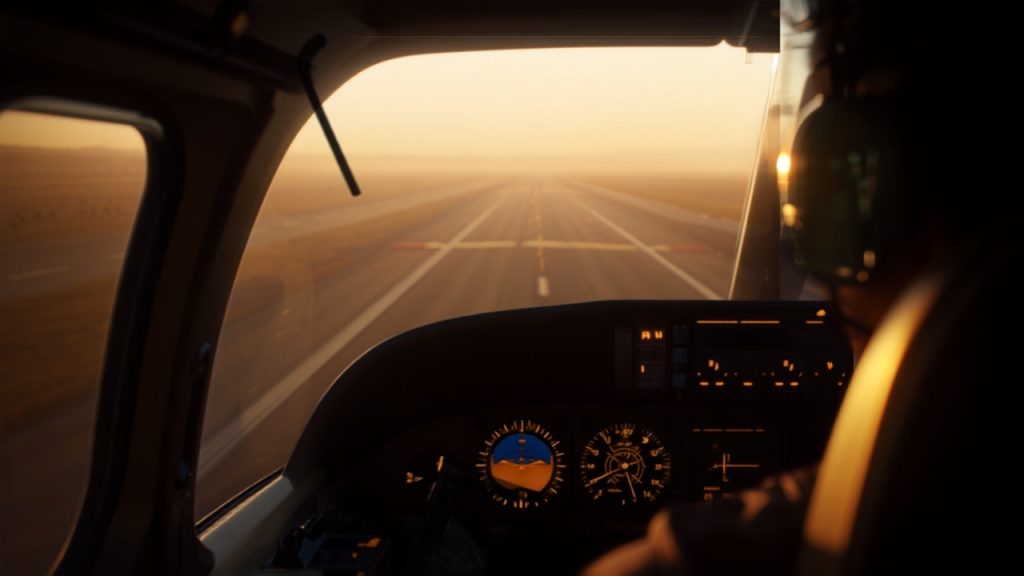
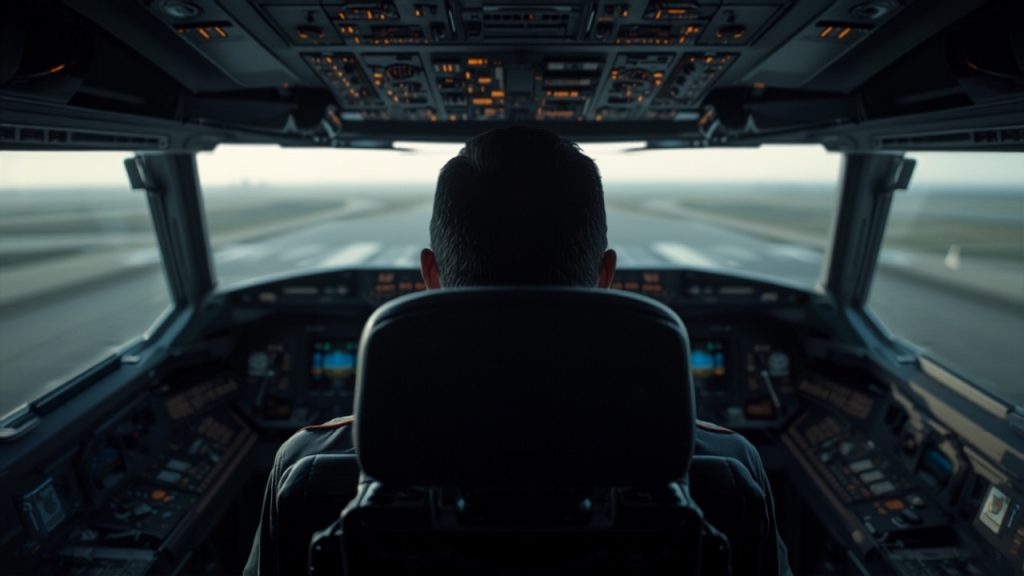
Stand near a runway and you will notice two groups of people keeping every flight safe: the crew in the cockpit and the controllers in the tower. Students often ask which seat suits them better. Both careers reward calm thinking and clear speech, but the daily work, the entry routes and the training are very different. This guide compares them in plain terms so you can decide before you commit years to one path.
Quick answer: should you become a pilot or an air traffic controller?
Choose pilot if you want to fly the aircraft and train through DGCA ground exams, medicals and flying hours. Choose air traffic controller if you prefer directing traffic from the ground, typically by qualifying for an Airports Authority of India recruitment and completing its training. Pilots go through flying schools, while civil controllers usually enter through AAI. Check current notices before planning.
What does each job involve day to day?
A pilot operates the aircraft, follows clearances, monitors systems and weather, and makes decisions in the air. A controller works on the ground, giving instructions and keeping aircraft safely separated in the airspace or on the airport surface. One group moves with the aircraft; the other watches the whole picture from a fixed position and talks to many flights at once.
Our post on ATC communication for student pilots shows the conversation from the pilot’s side. If you read it and find yourself more curious about the voice that answers, the controller path may suit you.
How does the route to each career differ?
The pilot route runs through DGCA ground exams, a medical, and flying training at an approved school, ending in a commercial licence. The civil controller route usually starts with an AAI recruitment for Junior Executive (Air Traffic Control), followed by AAI’s training. Pilots choose and enter a school themselves; controllers generally compete in a national selection first.
| Point | Pilot | Air traffic controller (civil) |
|---|---|---|
| Main entry route | Flying school and DGCA licensing | AAI recruitment for Junior Executive (ATC) |
| Typical education noted | 12th pass with DGCA requirements | Science or engineering degree, as AAI notices have listed |
| Where you work | In the aircraft | Control tower or area control centre |
| Key tests | DGCA exams, medical, skill test | Written exam, voice test and verification, as AAI notices have listed |
| Licensing | Commercial pilot licence from DGCA | Controller licence issued by DGCA since 2019 |
What qualifications does an air traffic controller need in India?
Past AAI notices for Junior Executive (Air Traffic Control) listed a three-year science degree with Physics and Mathematics, or an engineering degree, plus an upper age limit of 27 years for general candidates in the 2025 notice. Requirements change with each advertisement, so read the latest AAI notice on aai.aero before you plan your studies.
Selection described in public AAI notices includes an online examination, then document verification, a voice test and background checks. The voice test matters because clear English is central to the job. If you are weighing English skills for aviation, read why English matters in pilot training.
What does a pilot need to qualify?
A pilot needs the DGCA Class 1 medical, a student pilot licence, DGCA ground exams, a computer number and flying training at an approved school. The exact steps and documents are set by DGCA, so confirm them on official pages. Start with our guides on the DGCA computer number and the student pilot licence.
For medical eligibility, speak to a DGCA-approved medical examiner; this page cannot tell you whether you will pass. Students sometimes assume one career is easier on health standards, but both involve medical requirements, so ask the examiner before deciding.
How does the training style differ?
Pilot training splits between classroom study and hands-on flying, so your week mixes theory with flights, as described in our post on a typical training week. Controller training happens after selection and combines theory with simulator and on-the-job practice at AAI training facilities. Pilots practise judgement alone with an instructor beside them; controllers practise managing many aircraft at once.
Which career suits which personality?
Think about how you handle pressure. Pilots work through checklists and keep a small crew coordinated, while controllers hold a mental map of several aircraft at once and speak in short, exact phrases. Both roles ask you to stay steady when something unexpected happens.
If you like machines, motion and the experience of handling an aircraft, flying fits. If you like patterns, planning and giving precise instructions under pressure, controlling fits. Neither suits someone who dislikes responsibility or shift work. Try a trial lesson, read about how hard pilot training is and, if possible, talk to someone in ATC before choosing.
Can you switch from one career to the other later?
Switching is not automatic. A pilot licence does not make you a controller, and controller training does not make you a pilot. Each has its own selection, training and licensing, so decide with care. Some people learn about the other side first, for example by studying the basics of becoming a pilot after graduation, before choosing one route.
Frequently asked questions about pilots and controllers
Do air traffic controllers need to know how to fly?
No. Civil controllers do not need a pilot licence to enter through AAI. Training teaches the procedures needed for the job, and many controllers have never flown as pilots. An interest in aviation and strong English still help.
Who issues the air traffic controller licence in India?
The DGCA issues it. Reports from December 2019 describe the first DGCA-issued licences being handed to controllers, replacing the earlier arrangement where AAI issued them. Check DGCA’s current civil aviation requirements for the details.
Can I become a controller after 12th?
Not directly through the AAI route described in past notices, which asked for a science or engineering degree. After 12th, a science stream with Physics and Mathematics keeps that door open. Always check the latest AAI notice for the current rule.
Is pilot training or controller training longer?
Neither has a single fixed length, because both depend on schools, selection cycles and individual progress. Pilots follow DGCA hour and exam requirements, and controllers follow AAI selection and training schedules. Ask the relevant organisation for current timelines.
Which career is better for me?
Neither is better in general. Pick the one that matches your education, health standards and the kind of work you enjoy. Trying a trial flight and speaking with people in both careers will tell you more than any list.
Where can you start exploring pilot training in Chennai?
If flying appeals to you, learn more about VeritasTech Pilot Academy, Ambattur, Chennai and what student pilots study. If controlling appeals more, follow AAI’s official announcements for the latest eligibility and dates.