Every pilot’s journey in India runs through a series of medical checkpoints, and for student pilots based in or around Chennai, knowing where and how these examinations happen is just as important as knowing what they involve. A DGCA medical certificate isn’t a one-time formality — it’s a recurring requirement throughout a flying career — so understanding the local examination landscape early can save considerable time and confusion later.
Why the Medical Examiner Matters
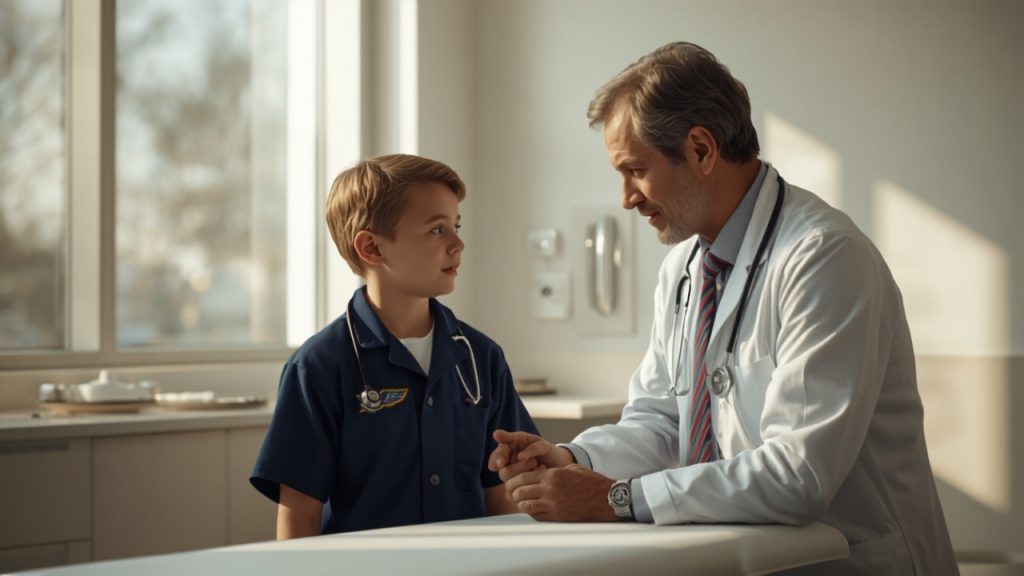
The DGCA doesn’t allow just any doctor to issue an aviation medical certificate. Examinations must be conducted by a Designated Medical Examiner, or DME, who has been specifically empanelled by the DGCA to assess candidates against aviation-specific medical standards. These standards go well beyond a general health check-up: they include detailed assessments of vision, hearing, cardiovascular function, neurological health, and several other parameters that are specific to the physical and cognitive demands of flying. Chennai, being a major metropolitan centre with a growing aviation training population, has a number of DGCA-empanelled examiners and hospitals capable of conducting these assessments, but not every general hospital or eye clinic in the city is authorised to issue the certificate you actually need.
Class 1 Versus Class 2: Different Depth, Different Purpose
Student pilots typically first encounter the Class 2 medical certificate, which is the baseline requirement to begin flight training and hold a Student Pilot Licence. This examination, while still rigorous, is somewhat less exhaustive than what comes next. Before a Commercial Pilot Licence can actually be issued, candidates must hold a Class 1 medical certificate, which involves a more comprehensive set of tests, often including cardiac evaluations, more detailed vision and colour perception testing, and a broader review of medical history. Locating a centre in Chennai equipped to handle Class 1 assessments specifically — rather than only Class 2 — is worth confirming before you assume any nearby DME can take you through the full process.
What to Expect When You Book an Appointment
Because DGCA medical examinations are more specialised than routine health check-ups, they often require advance booking, and some tests within the examination — particularly certain cardiac or vision assessments — may need to be scheduled with allied specialists rather than completed in a single sitting. It’s common for students to need a full day, or occasionally a follow-up visit, to complete every component of a Class 1 assessment. Bringing prior medical records, any existing prescriptions, and identification documents to your appointment can help avoid delays, since incomplete documentation is one of the more common reasons a first visit doesn’t result in a same-day outcome.
Common Reasons Students Get Caught Off Guard
A number of student pilots in Chennai discover medical concerns only once they sit for their DGCA examination — conditions like uncorrected vision beyond permitted limits, mild colour vision deficiencies, or blood pressure readings outside the accepted range. Some of these are manageable with early intervention, corrective lenses within DGCA-permitted limits, or lifestyle adjustments, but only if they’re identified well before a student has invested heavily in ground school and flight hours. This is why experienced training academies consistently advise getting a preliminary medical assessment done as one of the very first steps, rather than the last box to check before starting to fly.
The Renewal Cycle Doesn’t Stop After Your First Certificate
It’s worth understanding early that a DGCA medical certificate isn’t something you obtain once and forget about. Certificates have defined validity periods, and pilots — student and licensed alike — are responsible for tracking renewal timelines and booking follow-up examinations well in advance of expiry. For a Chennai-based student pilot, this means building a relationship with a local, DGCA-empanelled examiner isn’t just useful for your first certificate; it becomes part of your ongoing professional routine as your training progresses and eventually as you move into active flying.
How Training Academies Typically Support This Process
Most established flight training academies in Chennai maintain relationships with specific DGCA-empanelled medical centres and can point new students toward examiners with a track record of working efficiently with student pilots. This kind of local knowledge — which centres tend to have shorter waiting times, which are better equipped for the full Class 1 battery of tests, which have experience specifically with aviation candidates rather than general patients — can meaningfully smooth out what might otherwise be a confusing first step into the DGCA system. If your academy doesn’t proactively guide you toward this, it’s worth asking directly, since navigating the medical examination system without local guidance is one of the more avoidable sources of early delay in a training timeline.
Getting the Sequencing Right
For most aspiring pilots, the sensible order of operations is: get a preliminary Class 1 medical assessment done early, even before committing significant time to ground school, so any potential disqualifying conditions are identified upfront; use a DGCA-empanelled examiner based in or accessible from Chennai to avoid unnecessary travel for what will become recurring appointments; and treat the medical certificate not as paperwork to get through once, but as an ongoing part of maintaining your eligibility to fly throughout your career.
What Happens if a Concern Is Identified
If a DGCA medical examiner flags a potential concern during an assessment, it doesn’t automatically mean the end of a candidate’s flying ambitions. Depending on the nature of the issue, there may be a path to a waiver, a more detailed specialist assessment, or a corrective measure — such as prescription lenses within accepted limits — that resolves the concern entirely. What matters most in these situations is not panicking or assuming the worst, but working through the DGCA’s established process for addressing borderline cases, ideally with guidance from an examiner or training organisation that has seen similar situations before and understands the realistic options available.
Building the Habit of Proactive Health Management
Beyond the formal examination process, student pilots based in Chennai benefit from developing a broader habit of proactive health awareness throughout training — regular sleep, balanced nutrition, and attention to eyesight and hearing health in daily life, rather than only in the lead-up to a scheduled DGCA examination. This isn’t about perfection; it’s about reducing the likelihood of an avoidable surprise at a medical appointment that could otherwise have been anticipated and addressed months earlier.
Veritas Tech Pilot Academy, based in Chennai, regularly guides new students through this exact sequencing — helping them understand which DGCA-empanelled examiners in the city are best suited to their situation and what to expect at each stage of the medical process. If you’re unsure where to start, getting in touch directly is often the clearest way to get oriented.