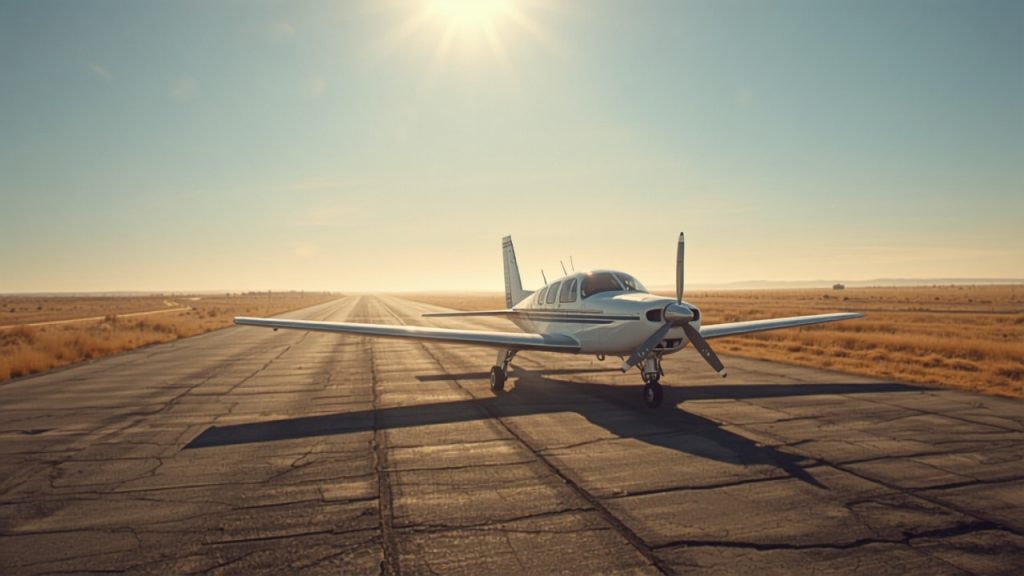
The Technical Specific paper surprises many students, because it is the one paper that depends on the aircraft you train on. Where Technical General teaches principles that apply to any aeroplane, Technical Specific asks about one type: its systems, its limits, its checklists and its performance data. That makes it more personal, and it also makes it very practical. The more time you spend around your training aircraft, the easier this paper becomes.
Quick answer
To prepare for the DGCA Technical Specific exam, study the manual for the aircraft type you train on. Learn its systems, limitations, emergency procedures, weight and balance, and performance charts, in that order. Practise chart and loading questions often, and revisit limits daily. Plan about five to six weeks. DGCA’s CPL theory pass mark is 70 per cent.
What does the Technical Specific paper cover?
The paper tests knowledge of one aircraft type. Training schools report that it covers the airframe, engine, propeller, fuel, electrical, hydraulic and flight control systems of that type, plus limitations, normal and emergency procedures, and weight and balance and performance calculations. Confirm the current syllabus and pattern on the DGCA examination portal.
If you have not yet studied the general principles behind these systems, begin with our guide to DGCA Technical General preparation. General knowledge makes the type-specific details far easier to remember.
How is Technical Specific different from Technical General?
Technical General covers principles that apply to aeroplanes in general, while Technical Specific covers the details of one type. A General question might ask how a fuel system works in principle. A Specific question asks how it works on your aircraft, including its limits and the correct response to a failure.
| Feature | Technical General | Technical Specific |
|---|---|---|
| Focus | Principles for aeroplanes in general | One aircraft type you train on |
| Main source | Textbooks and ground school notes | The aircraft’s flight manual and checklists |
| Typical content | Engines, fuel, hydraulics, electrics | Systems detail, limits, procedures, charts |
| Best preparation | Understand how systems work | Learn the type, ideally beside the aircraft |
What should you study first from the aircraft manual?
Start with the systems description, then limitations, then emergency procedures, and only then the performance and loading sections. Systems give you the vocabulary for everything else. Limitations are short and heavily tested, so learn them early and review them daily.
Use a notebook with one page per system. Draw it simply, label the main parts, and write what the pilot sees in the cockpit when it works and when it fails. Our article on aircraft systems taught in ground school shows a good way to structure those pages.
How do you handle weight and balance and performance questions?
Practise them as procedures, not as facts to memorise. Work the same steps each time: find the figures, apply them in order, read the chart carefully, and check that the answer is sensible. Speed and accuracy come from repeating complete calculations rather than reading worked examples.
Two of our guides help here: weight and balance for student pilots and density altitude and aircraft performance. Read them before you start charts so the ideas behind the numbers are clear.
How can the aircraft itself help you study?
Spend time at the aircraft whenever your school allows it. Sit in the cockpit with the manual and touch each switch, gauge and handle as you read about it. Walk around the aircraft and find the fuel drains, static ports and control surfaces. Memory improves a great deal when a fact is tied to something you have seen and touched.
Ask your instructor to quiz you during pre-flight inspections. A short question on the ramp, repeated over several weeks, builds more recall than hours of silent reading.
What if your school trains on more than one aircraft type?
Ask your instructor and your school which type the paper should follow for your course, and confirm it against the DGCA examination portal. Study the manual for that type first, and keep notes for any other type in a separate section so the limits and procedures never blur together. Mixing numbers between two aircraft is a common and avoidable source of lost marks.
What does a five-week study plan look like?
A five-week plan works for students who study part of each day alongside flying. Spend the first two weeks on systems, one week on limitations and procedures, one week on weight, balance and performance, and the last week on timed practice. Stretch it if your schedule is full.
- Week 1: airframe, engine, propeller and fuel systems. Draw and label each one.
- Week 2: electrical, hydraulic, flight controls, instruments and cockpit layout.
- Week 3: limitations and normal and emergency procedures. Build a one-page limits sheet.
- Week 4: weight and balance, performance charts and loading problems.
- Week 5: mixed question practice, timed papers and a review of every mistake.
Which mistakes lose marks in Technical Specific?
Students most often lose marks by studying a different type from the one the paper tests, misreading chart axes, and mixing up limits between aircraft. Check which type your paper covers and use the correct manual edition. Read units carefully, and slow down on any calculation question.
How do you book the paper and plan around it?
Apply through the Pariksha portal once your computer number and eligibility are ready, and plan this paper after you have flown the type for a while. Our guides on applying on the Pariksha portal and on the pass mark and negative marking explain the steps.
Frequently asked questions
Is Technical Specific harder than Technical General?
Not necessarily. It is more detailed but also more concrete, because it concerns one aircraft you can see and touch. Students who spend time with the aircraft and its manual often find it easier than the general paper.
Which manual should I study?
Study the manual for the aircraft type you train on, using the edition your flying school provides. Ask your instructor which sections matter most, and confirm the type your paper covers on the DGCA portal.
How long should I prepare for Technical Specific?
Most students plan around five to six weeks of regular study, though it depends on your daily hours and flying schedule. Keep the last week for timed practice and reviewing mistakes.
What is the pass mark for DGCA CPL theory papers?
The pass mark for DGCA CPL theory papers is 70 per cent. Check DGCA examination notices for current rules on attempts and validity, since these can change.
Where do I apply for the Technical Specific exam?
DGCA theory papers are booked through the Pariksha portal. You need a valid computer number and must meet the eligibility conditions. Check the portal for current session details.
Where can you get guided ground school support?
If you would like structured help with DGCA ground subjects, talk to the team at VeritasTech Pilot Academy, Ambattur, Chennai. Visit the academy page at https://veritastechpilotacademy.org/academy-in-vpa/ to see how to get in touch and plan your next step.