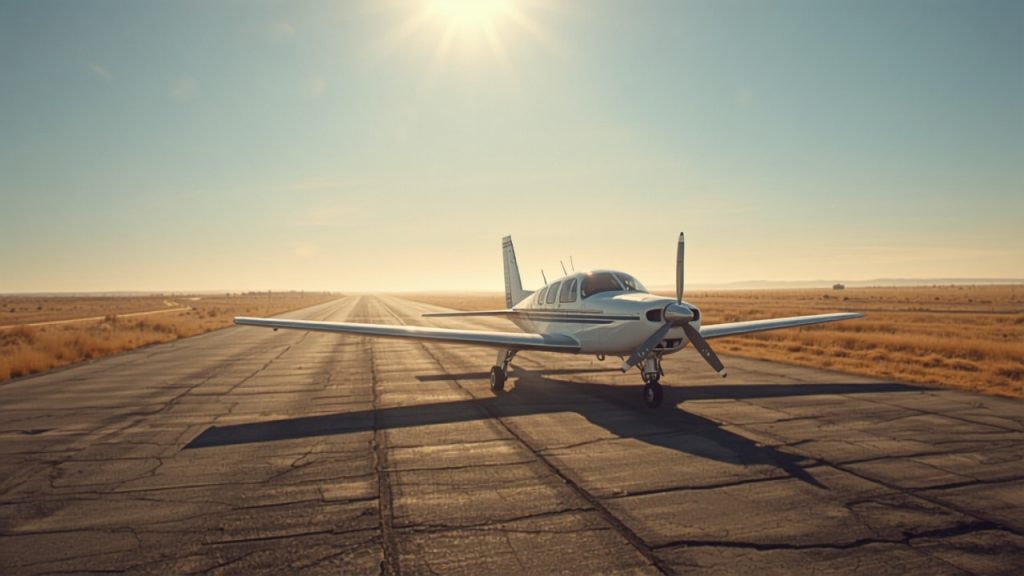
Every student pilot meets trim in the first few lessons. Your instructor says “trim it off” and points at a small wheel or lever, and soon the aeroplane stops pushing against your hand. It feels like a small adjustment, yet trim changes how comfortable and accurate flying becomes.
This guide explains what trim is, how it works, when pilots use it, and the habits that help students use it well. It connects to our guides on how aeroplanes fly and the parts of an aeroplane.
Quick answer
Trim is a control that removes the steady pressure a pilot would otherwise hold on the controls. Most light aeroplanes have elevator trim, which adjusts a small tab or the tail setting so the aeroplane holds its chosen speed and attitude on its own. It reduces workload and helps pilots fly smoothly.
What is trim in an aeroplane?
Trim is a way to balance the control forces so the aeroplane stays where you put it without constant hand pressure. When you change speed or power, the forces on the control surfaces change. Trim lets you set those forces back to neutral.
Think of carrying a tray with one hand. You can hold it level by gripping hard, or you can set it down on a stand. Trim is the stand. The aeroplane can fly at the speed you choose with light or no pressure on the control column.
In your first lessons, you may notice that the aeroplane seems to pull one way after you add power or lower the flaps. That is the forces changing, not the aeroplane misbehaving. A quick trim adjustment brings the pressure back to zero, and you can carry on with a relaxed hand and a clear view outside.
Trim does not make the aeroplane fly itself in every condition. It only reduces the force needed to hold one chosen setting. You still fly the aeroplane, watch the speed and attitude, and adjust the trim again when conditions change.
How does elevator trim work?
On many light aeroplanes, a small trim tab on the elevator moves the opposite way to the main surface and holds it in position. On others, the whole tail setting moves. Either way, turning the trim wheel changes the force the pilot feels, not the main control itself.
| Trim input | What the pilot feels |
|---|---|
| Nose-up trim | Back pressure on the controls reduces; the aeroplane tends to hold a higher nose attitude |
| Nose-down trim | Forward pressure reduces; the aeroplane tends to hold a lower nose attitude |
| Trim set for the speed | The aeroplane keeps that speed with little pressure |
Some aeroplanes also have rudder or aileron trim. The idea is the same: remove a steady force so the pilot is not holding it. Your aircraft manual and your instructor will tell you what your aeroplane has and how it works.
When do pilots use trim?
Pilots use trim whenever the speed, power or configuration changes enough to leave a steady pressure on the controls. Typical moments are after the climb, when levelling off, after extending flaps, and on the approach. Small, frequent adjustments are normal in everyday flying.
A common pattern is to fly first, then trim. You pitch to the attitude you want, wait for the speed to settle, and then trim away the pressure. Trimming before the speed has settled leads to chasing the aeroplane.
Trim is also part of a good approach. As described in our guide to the stabilised approach, an aeroplane trimmed for the approach speed needs only small corrections, which leaves you free to look at the runway.
How do student pilots use trim well?
Fly the attitude first, let the speed settle, then trim off the pressure in small steps. Check the result with your hand, relax your grip, and look outside. Your instructor will teach the habits that suit your aeroplane, so use this list as an outline.
- Set the attitude. Pitch for the speed you want using the horizon and the instruments.
- Hold it steady. Wait a moment for the speed to settle.
- Trim in small steps. Move the wheel a little, then check the pressure again.
- Relax your grip. If the aeroplane holds the attitude, the trim is close.
- Re-trim after changes. Do this after power, flap or speed changes.
- Keep scanning. Look outside and at the instruments, not at the trim wheel.
Many students are also taught to check the trim setting during pre-flight checks and before takeoff, as covered in our pre-flight inspection guide.
What mistakes do students make with trim?
Common mistakes include using trim to change the aeroplane’s attitude, trimming too quickly, forgetting to re-trim after a configuration change, and holding heavy pressure instead of trimming. All are normal early in training and become habits with practice and feedback.
The main rule is that trim relieves pressure; it does not fly the aeroplane. If you use the trim to raise the nose from a steady attitude, the aeroplane will keep changing speed, and you will find yourself behind it. Pitch first, then trim.
Another mistake is fixating on the trim wheel during a busy phase of flight. Small adjustments should be quick and by feel, while your eyes stay outside. If the aeroplane feels out of control, fly it manually and reset your trim afterwards.
Frequently asked questions
Does trim make the aeroplane fly itself?
No. Trim reduces the pressure needed to hold one setting, but the pilot still monitors speed, attitude and path. Changes in power, speed or wind need new trim settings.
Is trim the same as the autopilot?
No. Trim only balances control forces. An autopilot actively steers the aeroplane using servos. Many light training aircraft have no autopilot, and students learn to use trim by hand.
What happens if I forget to trim?
You will have to hold steady pressure on the controls, which is tiring and makes smooth flying harder. It does not make the aeroplane unsafe, but it is a habit instructors want you to build early.
Where is the trim control in a light aeroplane?
It is often a wheel or lever near the pilot’s seat, and an indicator shows the setting. The position varies by type, so your instructor will show you in the cockpit.
Why do pilots trim during landing?
Trimming for the approach speed keeps the control pressure light, so you can make small corrections and watch the runway. Your instructor will teach the exact checks for your aeroplane.
Want to see how handling skills like trim are taught in real training? Visit VeritasTech Pilot Academy, Ambattur, Chennai to learn about the academy and its training programmes.