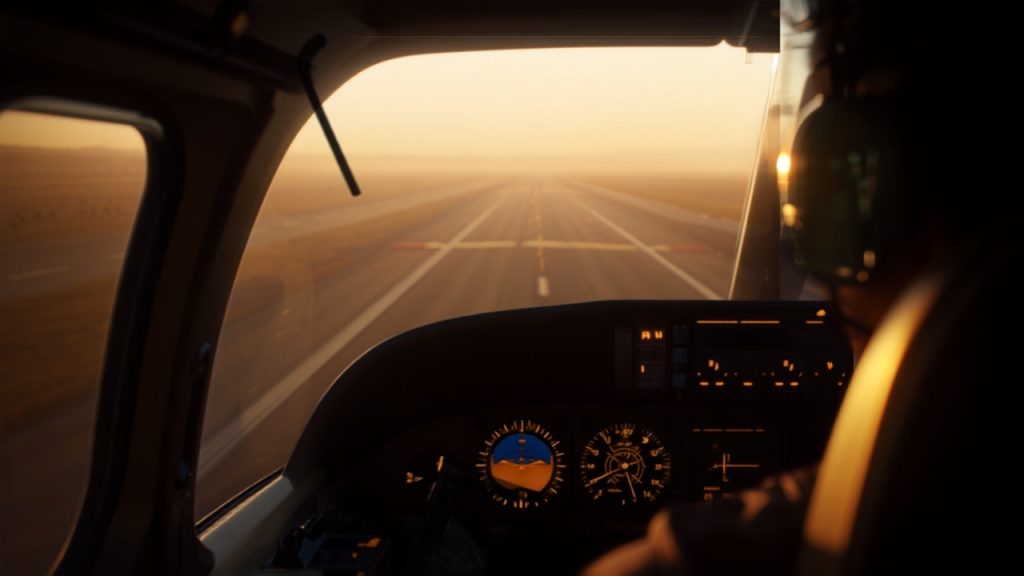
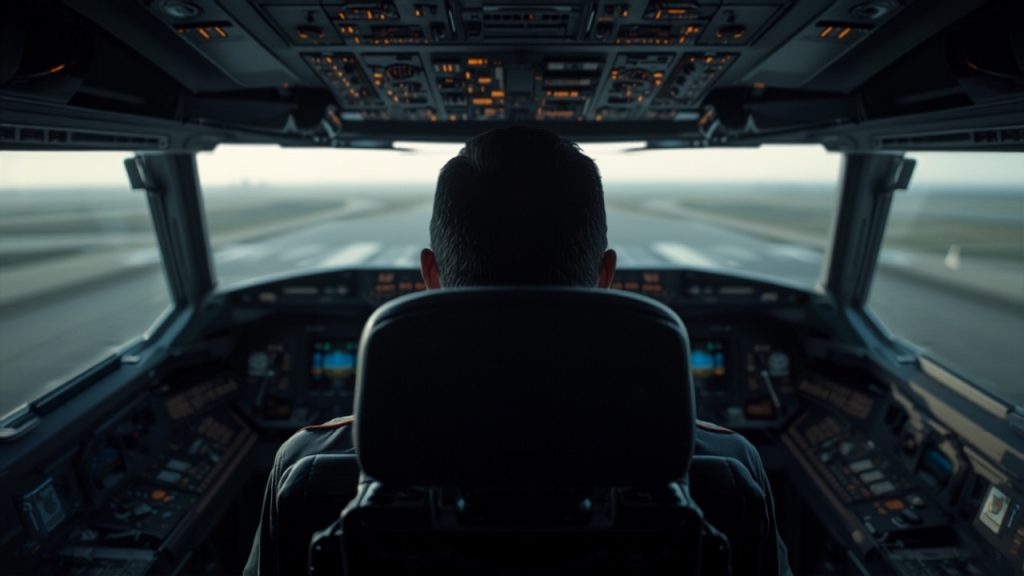
Almost every student pilot remembers the first time their hands went cold on the controls. The engine is loud, the instructor is quiet, and the runway looks very small. If that sounds familiar, take a breath. Nerves are not a sign that you chose the wrong career. They are a sign that you understand flying matters. This guide explains where those nerves come from and the practical habits that help students settle, lesson after lesson.
Quick answer
Nervousness in pilot training is normal and usually fades with repetition. Prepare the lesson on the ground, brief your instructor honestly about how you are doing, slow your breathing before start-up, and focus on one task at a time. If worry stays strong for weeks, speak to your instructor and a DGCA-approved medical examiner.
Is it normal to be nervous in pilot training?
Yes, it is very normal. Most students are tense in the first lessons, before the first solo, and before skill tests. Tension usually drops as the manoeuvres become familiar. Flying schools expect this, and good instructors plan their teaching around it rather than treating it as a weakness.
Think about learning to ride a bicycle on a busy road. The first week is stressful because everything demands attention at once. Flying works the same way, only with more instruments and a radio. Early on, your brain tries to handle every task together. With practice, the basics become automatic, and attention is freed up for decisions.
Why do nerves show up in the cockpit?
Nerves appear because the brain treats an unfamiliar, high-responsibility situation as a threat. Heart rate rises, breathing turns shallow, and thinking narrows. In a cockpit, that narrowing can make simple tasks seem hard, which adds more worry. Knowing this loop exists is the first step to breaking it.
Common triggers students mention include being watched while they learn, fear of making a mistake in front of the instructor, worry about the radio, and uncertainty about what comes next in the lesson. Notice that most of these are about the unknown, not about flying itself. That is good news, because the unknown can be reduced with preparation.
What can you do before the flight to stay calm?
Preparation is the strongest calming tool. Know the lesson plan, rehearse each step out loud, sleep properly, eat something light, and arrive early so you are not rushing. A student who has pictured the flight in detail meets fewer surprises in the air, and surprises are what tend to unsettle people most.
Here is a simple routine many students find useful:
- Read the lesson objective the night before and write down the three things you want to do well.
- Walk through the sequence of the exercise in your head, including the radio calls.
- Arrive early enough to do the pre-flight inspection without hurrying.
- Tell your instructor in the briefing if you are tense. Saying so takes a few seconds and changes how they teach the lesson.
- Take three slow breaths, in through the nose and out through the mouth, before engine start.
What can you do during the lesson when nerves spike?
Return to the basics: fly the aeroplane first, then think. Pitch, power and trim come before anything else. Say what you are doing out loud, slow your breathing, and ask the instructor to repeat or pause an exercise. Asking for a moment is a sign of good judgement, not weakness.
It also helps to break the lesson into small pieces. Instead of thinking, “I must get through the whole circuit,” think, “I only need a clean take-off.” When that is done, move to the next piece. Small wins build steadiness, and steadiness builds confidence.
How do nervous students compare with calm students over time?
Over a course, the gap between nervous and calm students usually narrows. Early lessons show clear differences in comfort, but repetition, good briefing and honest conversation tend to bring both groups to a similar level. The table below shows how common situations look at the start and how they usually change.
| Situation | Early lessons | With practice |
|---|---|---|
| Radio calls | Words get tangled, mind goes blank | Standard phrases become routine |
| Landings | Hands tighten, attention narrows | Smoother control, calmer judgement |
| Being observed by the instructor | Seems like constant testing | Becomes a shared lesson |
| First solo | Excitement mixed with doubt | Trust in your own preparation |
If you want to see how a typical student week looks, read a day in the life of a student pilot in India. For more on the mental side of testing, see our guide on building confidence before a checkride.
How can your instructor help if you are anxious?
A good instructor can slow the pace, repeat exercises, split a complex task into parts, and brief the lesson more thoroughly. They can only do this if they know how you are doing. Be direct, for example: “I get tense during landings. Can we practise the approach in smaller steps?”
Instructors have seen this many times. They do not judge nervous students; they adjust. If you stay silent, they may read your tension as lack of understanding and move faster. Speaking up usually leads to a calmer and more productive lesson. You can also read about what happens on a first solo flight to see how instructors judge readiness.
When should you talk to someone beyond your instructor?
If worry stays heavy for weeks, disturbs your sleep, or begins to affect daily life, speak to someone you trust and to a DGCA-approved medical examiner. Aviation medical questions deserve a qualified professional. This article does not diagnose anything or give medical guidance, and it cannot replace a proper medical assessment.
Student pilots also need a valid medical certificate. For a plain-language overview of what the process involves, see the DGCA Class 2 medical for student pilots. A medical examiner can tell you what is required and what to do next, without guesswork.
Frequently asked questions
Will nerves stop me from becoming a pilot?
No. Many pilots were nervous as students. Nerves usually reduce with experience, structured preparation and honest conversations with instructors. What matters is how you respond to tension, not whether you experience it.
Is it a bad sign if my hands shake on the first flights?
Not at all. Shaking hands are common when adrenaline is high. Relax your grip, breathe slowly and let the instructor know. The reaction normally eases as the controls start to seem familiar.
Should I tell my instructor that I am nervous?
Yes. It helps them choose the right pace and the right briefing. Instructors prefer honest students, because a quiet but anxious student is harder to teach well.
Does nervousness mean I should delay my first solo?
Not necessarily. Your instructor decides readiness based on skill and judgement. Some nervousness before solo is normal. If you have doubts, discuss them openly during the briefing.
Where can I get medical advice about anxiety?
Please consult a qualified doctor and a DGCA-approved medical examiner. This article is general information only and does not give diagnoses or promises about medical eligibility.
Ready to take the next step?
If you are exploring flight training and would like to see the academy and ask questions, learn more about VeritasTech Pilot Academy, Ambattur, Chennai. Visit the page to understand how training is organised and how to get in touch.