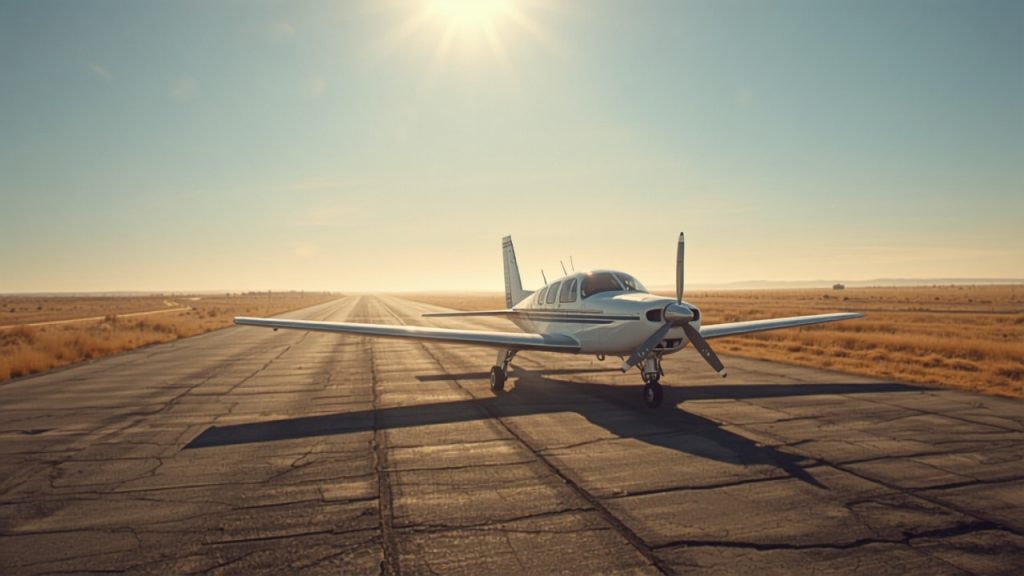
On your first day around a training aircraft, your instructor will probably point at things and name them quickly: aileron, elevator, rudder, flap. It can feel like a new language. The names are not hard once you know what each part is trying to do.
This guide covers the main parts of a typical light training aeroplane and, more importantly, why each one is there. Individual aircraft types differ, so your aircraft’s own manual is always the final word.
Quick answer
An aeroplane has five main groups of parts: the fuselage, which holds crew and controls; the wings, which produce lift; the tail, which gives stability and control in pitch and yaw; the landing gear, which supports the aircraft on the ground; and the powerplant, which produces thrust. Control surfaces on the wings and tail steer the aircraft.
What are the main parts of an aeroplane?
The main structural parts are the fuselage, the wings, the empennage (tail), the landing gear and the powerplant. Together with the flight controls, they let the aircraft carry people, produce lift, stay stable, move on the ground and generate thrust. Every training aircraft has all five groups.
Learning these five groups first gives you a mental map. Every smaller part you meet later, from a trim tab to a pitot tube, belongs to one of them or to the systems that connect them.
The summary table later in this article lists each group and its main job so you can use it as a revision sheet.
What does the fuselage do?
The fuselage is the main body of the aeroplane. It holds the cockpit, the seats, the controls and the baggage area, and it connects the wings, tail and landing gear into one structure. In a single-engine trainer it often carries the engine at the front as well.
When you sit in the cockpit you are inside the fuselage, which is why you see the instrument panel, the control column or yoke, the rudder pedals and the throttle all gathered in one place.
A good pre-flight walk-around includes the fuselage skin: look for dents, cracks and loose panels, and tell your instructor if anything looks unusual.
How do the wings make an aeroplane fly?
Wings are shaped so that air moving over them produces lift, the upward force that supports the aircraft’s weight. As the wing moves forward through the air, pressure differences across its surface create that lift. The amount of lift depends on speed, wing area and the angle of the wing to the airflow.
Wings also carry important moving parts. Ailerons near the wingtips control roll, and flaps near the fuselage change the wing’s shape for slower flight during takeoff and landing.
Many light trainers store fuel in the wings, so the pre-flight check includes inspecting fuel quantity and the fuel caps.
Quick summary: main parts and their jobs
| Part | Main job | Related controls or features |
|---|---|---|
| Fuselage | Holds crew, controls and baggage | Cockpit, seats, instrument panel |
| Wings | Produce lift | Ailerons, flaps, fuel tanks in many trainers |
| Empennage (tail) | Stability and control | Fin, stabiliser, rudder, elevator |
| Landing gear | Supports aircraft on ground | Wheels, struts, brakes, nose wheel steering |
| Powerplant | Produces thrust | Engine, propeller, fuel and oil systems |
What are the control surfaces and what does each one do?
Ailerons control roll, the elevator controls pitch, and the rudder controls yaw. Flaps add lift and drag at slow speeds. You move the first three with the control column or yoke and the rudder pedals. Each surface changes the airflow around the aircraft so it turns, climbs or descends.
Here is a simple way to remember the three primary controls: ailerons tilt the aircraft sideways, the elevator moves the nose up or down, and the rudder swings the nose left or right.
Trim tabs are small adjustable surfaces that reduce the pressure you feel on the controls so you do not have to hold them continuously.
What does the tail (empennage) do?
The empennage is the tail assembly. It has a fixed vertical fin and horizontal stabiliser that keep the aircraft stable, plus the movable rudder and elevator that let the pilot control yaw and pitch. Without the tail, the aircraft would tend to wander in direction and pitch.
Think of the fin and stabiliser as the feathers on an arrow. They keep the nose pointing where it should. The rudder and elevator then let you deliberately change that direction when you need to.
In crosswind practice, rudder use becomes very important. For more on that skill, read our guide to what a crosswind landing is.
What are the landing gear and powerplant?
The landing gear supports the aircraft on the ground and absorbs landing loads, using wheels, struts and brakes. The powerplant is the engine and propeller, which produce thrust to move the aeroplane forward. Training aircraft usually have fixed gear and a piston engine driving a propeller.
On the ground you steer with the nose wheel through the rudder pedals and slow down with the brakes. In the air the gear mostly stays out of sight, but the engine and propeller are very much in your mind through the whole flight.
The engine has its own systems for fuel, oil, ignition and cooling. You will study them in detail in the technical subjects, which our guides on DGCA Technical General and Technical Specific prepare you for.
Frequently asked questions
What is the difference between an aileron and an elevator?
An aileron is on the wing and controls roll, tilting the aircraft left or right. The elevator is on the tail and controls pitch, moving the nose up or down. Both are operated from the control column or yoke.
What is the empennage?
The empennage is the tail section of the aeroplane. It includes the vertical fin, horizontal stabiliser, rudder and elevator, and it keeps the aircraft stable in flight.
Do all aeroplanes have the same parts?
Most share the same main groups, but details differ. Some have retractable landing gear, different tail designs or more than one engine. Always read the manual for the type you are flying.
Will I learn these parts in ground school?
Yes. Aircraft structure and systems are part of the technical subjects, and your instructor will also show you each part during the pre-flight walk-around. Check the current DGCA syllabus for the exact topics.
What is the best way to remember the parts?
Walk around a real aircraft with your instructor and touch each part as you name it. Pair that with a simple diagram that you redraw from memory. Doing both works better than memorising a list.
Knowing the parts of an aeroplane makes everything else easier, from ground school to your first walk-around. If you are wondering what a first day looks like, read what to expect on your first day at flying school.
Where can you learn this with instructors?
Aircraft knowledge is easiest to learn when you can touch the parts while someone explains them. If you are considering flight training and want to see how ground school and flying fit together, you can learn more about VeritasTech Pilot Academy, Ambattur, Chennai, and ask your questions directly.