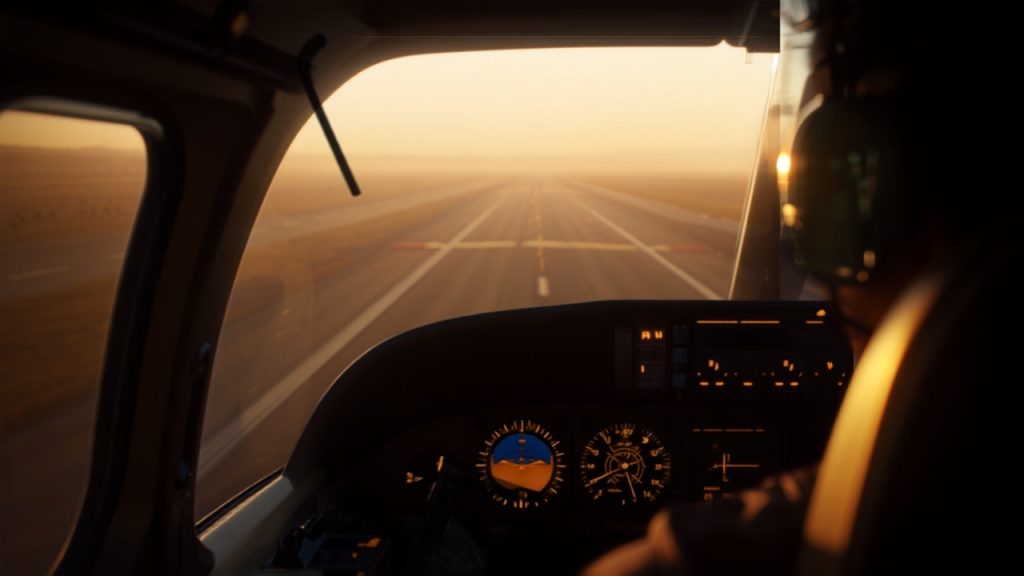
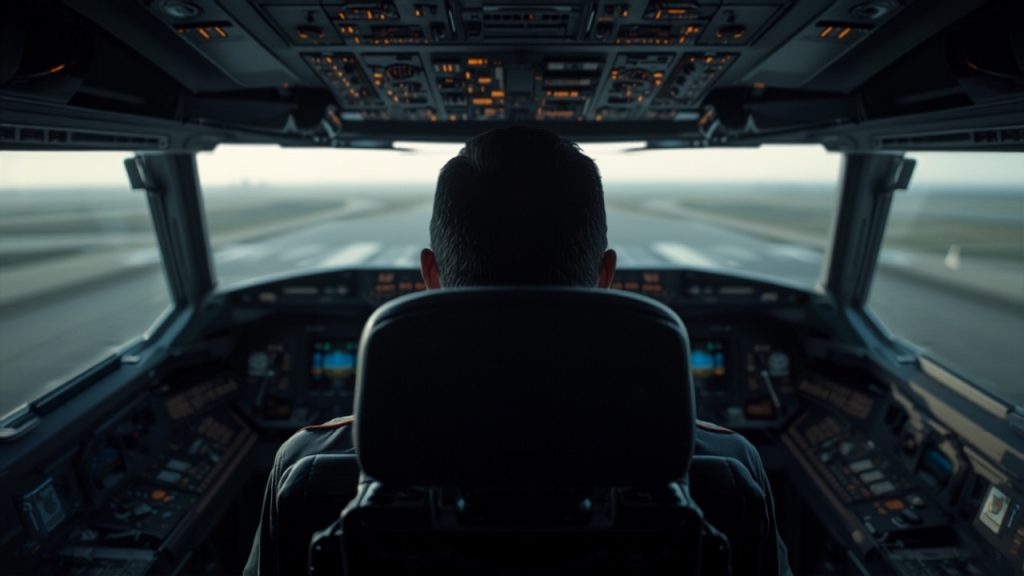
The Journey at a Glance
Becoming an airline pilot in India is a sequence of defined steps. None of them is mysterious, but each has its own requirements, costs and waiting periods, and the order in which you tackle them makes a real difference to how long the journey takes. This roadmap sets out the path from school to the flight deck of an airliner, with realistic notes on what each stage involves.
In broad terms: confirm your eligibility, secure your medicals, clear the DGCA theory exams, complete 200 hours of flying, obtain your Commercial Pilot Licence, add the ratings airlines expect, pass an airline selection, complete a type rating, and finish line training as a first officer.
Step 1: Check Your Eligibility
The CPL requires you to have passed Class 12 with Physics and Mathematics, and you must be at least 18 years old for the licence to be issued. Students from other streams have traditionally completed Physics and Mathematics through an open schooling board to qualify. Eligibility rules are reviewed from time to time, so confirm the current position before enrolling. You will also need a reasonable command of English, since all training, examinations and radio communication are in English.
Step 2: Get Your Medicals Done First
Before spending money on training, find out whether you are medically fit to hold a professional licence. The process starts with a Class 2 medical with a DGCA-approved examiner, followed by the Class 1 medical at an authorised centre. The Class 1 is what a commercial pilot must hold and keep renewing throughout their career. Doing this first protects you from investing in training only to discover a disqualifying condition later.
Step 3: Register and Obtain Your Computer Number
You will register on DGCA’s eGCA portal and apply for a computer number, which is the identity under which you sit the DGCA theory examinations. This involves document verification and can take time, so begin early.
Step 4: Ground School and DGCA Theory Exams
The CPL theory subjects are Air Regulations, Aviation Meteorology, Air Navigation, Technical General and Technical Specific, along with the radio telephony qualification. Many students complete most of their theory before starting to fly. This is an efficient approach: the knowledge makes flying lessons more productive, and it avoids the situation of finishing 200 hours and then waiting months to clear papers. Exam passes have a validity period, so plan theory and flying to finish close together.
Step 5: Flying Training to 200 Hours
Flying training takes place at a DGCA-approved Flying Training Organisation. You begin with a Student Pilot Licence, progress through first solo, circuit consolidation, general handling, navigation, instrument flying and night flying, and build the pilot-in-command and cross-country hours the CPL requires. Depending on weather, aircraft availability and your own continuity, this phase commonly takes between twelve and twenty-four months. Choosing where to fly is one of the biggest decisions on the roadmap; our comparison of FTOs and flying clubs explains what to look for.
Step 6: Skill Tests and CPL Issue
With the hours complete, you fly the required skill tests with an examiner, including general flying, navigation and instrument flying. Your training organisation then helps compile the application: certified log book, exam results, medical, test reports and supporting documents. DGCA issues the licence after scrutiny. Our CPL skill test guide covers this stage in detail.
Step 7: Instrument and Multi-Engine Ratings
Airlines fly multi-engine aircraft under instrument flight rules, so they expect applicants to hold an instrument rating and multi-engine experience. Many students integrate these into their CPL course. If you have not, add them before applying; a CPL without them will not meet most airline requirements.
Step 8: Prepare for Airline Selection
Airlines open recruitment for trainee or junior first officers when they need crew, and hiring moves in cycles with fleet growth. A typical selection process includes:
- A written technical test covering CPL theory and sometimes ATPL-level subjects
- Psychometric and aptitude testing
- A group exercise assessing communication and teamwork
- A simulator assessment
- A technical and HR interview
Keep your theory fresh after the CPL. The gap between licence issue and an airline call can be months or longer, and candidates who have stopped studying struggle in the written test. Non-technical skills matter as much; see our guide to CRM and why airlines care.
Step 9: Type Rating
A CPL allows you to fly commercially, but each large aircraft type needs its own type rating. This is an intensive course of ground school and full-flight simulator training on a specific aircraft, most commonly a narrow-body jet. Some airlines select you first and then arrange the type rating, sometimes at the pilot’s cost or under a bond. Others recruit pilots who are already type rated. We explain the costs and options in our guides to the A320 type rating and the B737 type rating.
Think carefully before self-funding a type rating without a job offer. It is a large additional investment and is tied to one aircraft type.
Step 10: Airline Induction and Line Training
After joining, you complete the airline’s induction: company procedures, safety and emergency training, CRM, and security. Then comes line training, where you fly real passenger flights with a training captain, initially with an additional safety pilot on board. When you pass your line check you are released as a first officer.
Step 11: First Officer to Captain
As a first officer you build hours and experience. To become a captain you need an Airline Transport Pilot Licence, which requires 1,500 hours of flight time and passes in the ATPL theory subjects, along with the airline’s own experience criteria and a command upgrade course. Our guide to CPL to ATPL conversion explains the process. Timeframes vary with airline growth, but several years in the right-hand seat is normal.
Alternative Routes Worth Knowing
Cadet pilot programmes. Some airlines run programmes that take candidates from little or no experience through training with a conditional path to employment. They are structured but costly, and the terms deserve careful reading.
Flight instructing. Becoming an assistant flight instructor lets you build hours and earn while waiting for airline openings.
Charter and non-scheduled operators. Smaller operators offer valuable multi-crew and turbine experience.
Training abroad. A licence earned overseas must be converted to an Indian one before you can work for an Indian airline. See our guide on foreign CPL conversion.
How Long and How Much?
From starting ground school to holding a CPL with the necessary ratings, two to three years is a sensible planning figure. Add the time to secure an airline position and complete a type rating. Costs vary by organisation and location, and the type rating is a separate major expense. Plan your finances for the whole journey, including a buffer for delays, rather than for the CPL alone.
Common Mistakes on the Roadmap
- Starting flying before confirming Class 1 medical fitness
- Leaving theory exams until after the flying is finished
- Choosing a training organisation on price alone without checking aircraft availability and track record
- Letting theory knowledge fade after licence issue
- Budgeting for the CPL but not for ratings and type rating
- Signing agreements without reading the bond and refund terms
Summary
The path from CPL to airline pilot is long but well defined: eligibility, medicals, theory, 200 hours, licence, ratings, selection, type rating, line training. Students who plan the whole route, sequence the steps sensibly and keep studying throughout reach the flight deck sooner. VeritasTech Pilot Academy in Chennai guides aspiring pilots through each stage, from the first medical to DGCA exam preparation and career planning.