What Is Crew Resource Management?
Crew Resource Management, usually shortened to CRM, is the effective use of every available resource, including people, equipment, procedures and information, to achieve a safe and efficient flight. It is the set of non-technical skills that sit alongside stick-and-rudder ability: communication, teamwork, leadership, situational awareness, decision-making and workload management.
A pilot can fly an aircraft beautifully and still be unsafe if they do not listen, do not speak up, or lose track of the bigger picture. CRM exists to close that gap.
Where CRM Came From
CRM was developed after accident investigators in the 1970s noticed a pattern. Many accidents involved aircraft that were perfectly serviceable and crews that were technically skilled. What failed was the way the crew worked together. Junior crew members noticed problems but did not challenge the captain. Crews became fixated on a minor fault while the aircraft ran low on fuel or drifted off its flight path. Information was available in the cockpit but was not shared.
The industry’s response was to train human behaviour as deliberately as it trained aircraft handling. Early programmes were called Cockpit Resource Management. The concept later widened to Crew Resource Management, recognising that cabin crew, air traffic controllers, engineers and dispatchers are all part of the safety team. Today CRM training is a regulatory requirement for airline crews worldwide, including in India.
The Core CRM Skills
Communication. Clear, concise and standard language. This includes proper briefings, standard callouts, closed-loop communication where instructions are read back and confirmed, and the willingness to ask when something is unclear.
Situational awareness. Knowing where the aircraft is, what it is doing, what will happen next, and what could go wrong. It covers the aircraft’s state, the weather, terrain, traffic, fuel and time.
Decision-making. Gathering information, considering options, choosing a course of action and reviewing it. Structured models help crews avoid rushing into a decision or freezing under pressure.
Workload management. Prioritising tasks, delegating, and avoiding overload. The classic order is aviate, navigate, communicate: fly the aircraft first, always.
Leadership and teamwork. A captain who invites input and a first officer who offers it. Good crews set a tone in which either pilot can raise a concern without hesitation.
Assertiveness. Stating a safety concern clearly and persisting until it is addressed, while remaining respectful. This is especially important where a steep authority gradient, a large gap in seniority or experience, might otherwise discourage a junior pilot from speaking.
Threat and Error Management. Modern CRM is closely tied to TEM. Crews anticipate threats such as weather, a short runway or a late runway change, catch errors before they have consequences, and recover from undesired aircraft states.
How CRM Appears During CPL Training
Most CPL flying is done in single-pilot training aircraft, so you might wonder where crew skills come in. They appear in several places.
In ground school, human performance and limitations is part of the DGCA syllabus. Topics such as stress, fatigue, perception, decision-making and communication are examined in the theory papers. Our guide to aviation physiology covers the physical side of the same subject.
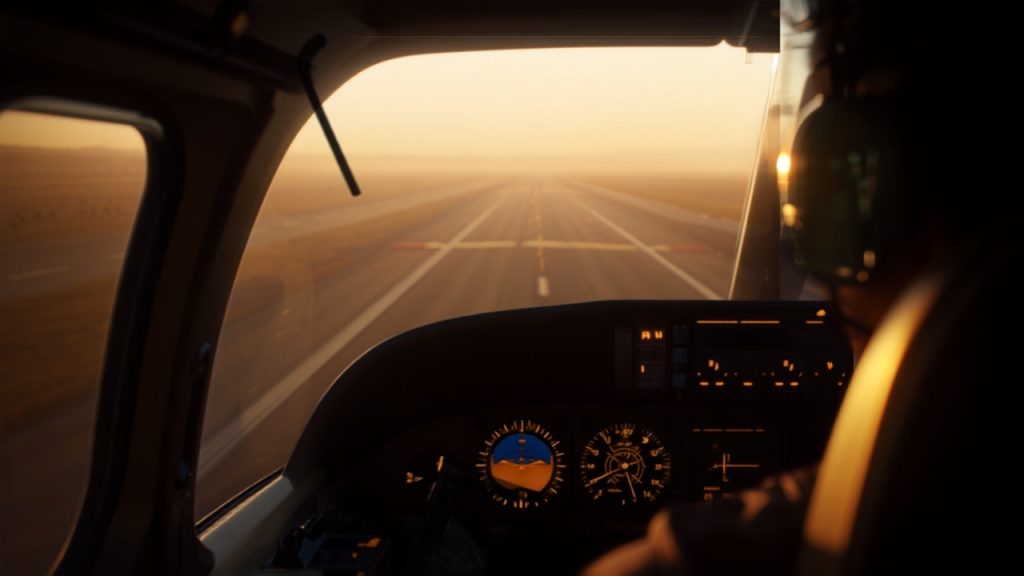
In the aircraft, CRM principles apply as single-pilot resource management. You brief your instructor before the flight, manage your own workload, use checklists, make clear radio calls, and make go/no-go decisions about weather and fuel. Your “crew” includes your instructor, ATC, and the engineers who release the aircraft. Learning to use them well is CRM in practice.
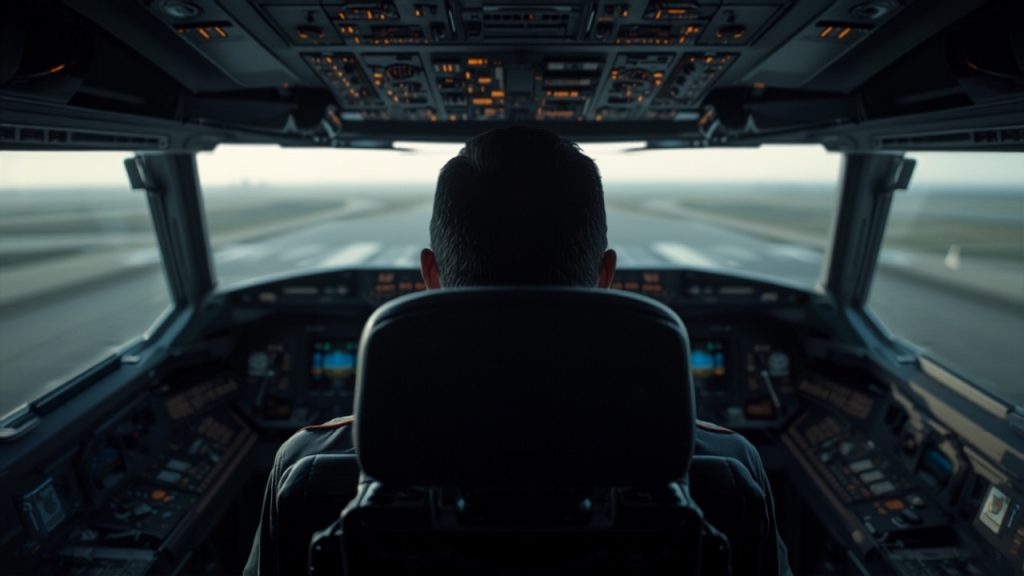
Later, multi-crew cooperation training and type rating courses place two pilots in a simulator and assess how they work together under pressure. This is where CRM is trained and evaluated most directly, with defined roles of pilot flying and pilot monitoring.
Why Airlines Care So Much
Airlines operate multi-crew aircraft in a system that depends on standard procedures and teamwork. A new first officer will fly with a different captain almost every day. The airline must be confident that any two of its pilots can work together safely from the first handshake.
For that reason, CRM is assessed at every stage of an airline career:
- Selection. Group exercises, interviews and simulator assessments are designed to reveal how you communicate, handle disagreement, and respond to mistakes, both yours and other people’s.
- Type rating and line training. Instructors grade non-technical skills alongside technical ones.
- Recurrent training. Airline pilots attend regular CRM refreshers and are assessed on these skills in simulator checks throughout their careers.
A candidate with excellent handling skills but poor CRM, someone who is defensive, dismissive or silent, is a risk an airline will not take. A candidate who is technically sound and also calm, clear and cooperative is exactly who they are looking for.
Building CRM Habits as a Student
- Brief every flight, even solo ones. Say aloud what you plan to do, the threats you expect and what you will do if things change.
- Use standard phraseology on the radio. Our guide to ATC clearances is a good place to start.
- Use checklists properly. Do not recite them from memory while looking elsewhere.
- Ask questions. If you do not understand a clearance or an instruction, say so. Pretending to understand is the opposite of CRM.
- Debrief honestly. Identify your errors without excuses and decide what you will do differently.
- Practise in groups. Study with classmates, take turns leading, and learn to give and receive feedback.
- Manage yourself. Arrive rested, fed and prepared. Self-management is the foundation of managing a flight deck.
CRM in Interviews: What Assessors Look For
In a group exercise, the person who talks most is rarely the one who scores best. Assessors look for candidates who listen, include quieter team members, keep the group on time, accept a better idea from someone else, and stay composed when the task changes. In the interview, expect questions about a time you made a mistake, disagreed with someone senior, or worked in a difficult team. Honest, specific examples that show what you learned are far more convincing than polished answers.
Summary
CRM is the discipline of working with people and information as skilfully as you handle the aircraft. It grew out of hard lessons, it is now a regulatory requirement for airline crews, and it is assessed from your first selection day to your last simulator check. The habits begin in training. At VeritasTech Pilot Academy in Chennai, we encourage students to treat briefing, communication and honest debriefing as part of every lesson, because the pilot an airline hires is the one who can both fly and work as part of a crew.